
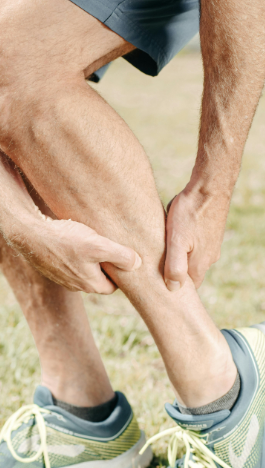
Leg Blood Clots: 10 Symptoms and Signs to Watch For
A blood clot in the leg can be a serious health concern that requires prompt attention. One of the most common types of leg blood clots is deep vein thrombosis (DVT), which occurs when a clot forms in a deep vein, usually in the lower leg, thigh, or pelvis.
While small clots may sometimes cause mild symptoms or no noticeable signs, a larger clot can interfere with normal blood flow and may become dangerous if it travels to the lungs, causing a potentially life-threatening condition called a pulmonary embolism.
Recognizing the warning signs of a leg blood clot can help you seek medical care quickly when needed. Although symptoms can vary from person to person, certain changes in your leg should not be ignored.
What Causes Blood Clots in the Leg?
Blood clots form naturally when the body needs to stop bleeding. However, a clot can become a problem when it forms inside a blood vessel without a clear injury or does not dissolve properly.
A leg blood clot may develop when blood flow slows, the blood becomes more likely to clot, or the inner lining of a blood vessel becomes irritated.
Common risk factors include:
- Long periods of sitting or inactivity
- Recent surgery or hospitalization
- Injury to the leg
- Pregnancy and the postpartum period
- Smoking
- Certain medications, including some hormone-based treatments
- Obesity
- Older age
- Family history of blood clotting disorders
- Certain medical conditions
Having a risk factor does not mean a person will definitely develop a clot, but it can increase the likelihood.
10 Symptoms and Signs of a Blood Clot in the Leg
1. Swelling in One Leg
One of the most common signs of a possible deep vein thrombosis is swelling that affects one leg.
The swelling may occur in:
- The calf
- Ankle
- Foot
- Entire lower leg
A blood clot can block normal blood flow, causing fluid to build up in the surrounding tissues.
A key warning sign is swelling that appears suddenly, especially if it affects only one side.
2. Leg Pain or Tenderness
Pain caused by a blood clot may feel different from ordinary muscle soreness.
Possible sensations include:
- Aching
- Cramping
- Tenderness
- A feeling of tightness
- Pain when walking or standing
Many people describe the discomfort as being similar to a pulled muscle, particularly in the calf.
However, unexplained leg pain combined with swelling or other symptoms should be evaluated.
3. Warmth in the Affected Area
A clot can trigger inflammation in the surrounding tissues.
The affected area may feel:
- Warmer than the other leg
- Tender to touch
- Unusually sensitive
Warmth often occurs along with redness, swelling, or pain.
4. Red or Discolored Skin
Changes in skin color may occur when blood flow is affected.
The skin over the area may appear:
- Red
- Darker than usual
- Bluish or purple in some cases
Skin discoloration alone does not confirm a blood clot, but it can be an important symptom when combined with other warning signs.
5. Enlarged or More Visible Veins
A blood clot can increase pressure in nearby veins, making some veins appear more noticeable.
You may notice:
- Enlarged surface veins
- More visible veins than usual
- A feeling of fullness around the affected area
This symptom may occur because blood is being redirected around the blocked vein.
6. A Feeling of Heaviness in the Leg
Some people with a leg blood clot experience a heavy or uncomfortable sensation.
The leg may feel:
- Full
- Tight
- Difficult to move normally
- More tired than usual
This feeling can sometimes be mistaken for general fatigue or overuse.
7. Pain That Gets Worse With Movement
Pain from a possible blood clot may become more noticeable when:
- Walking
- Standing for long periods
- Flexing the foot upward
Movement-related pain is not specific to blood clots, but it can be a warning sign when paired with swelling or warmth.
8. Sudden Changes After Long Periods of Immobility
A higher risk period for blood clots is after extended inactivity.
Examples include:
- Long flights
- Long car rides
- Bed rest after illness
- Recovery after surgery
Symptoms that appear after prolonged sitting or immobility deserve attention, especially if they affect only one leg.
9. Shortness of Breath or Chest Symptoms
A leg blood clot can become dangerous if part of it breaks away and travels to the lungs.
This can cause a pulmonary embolism.
Emergency warning signs may include:
- Sudden shortness of breath
- Chest pain
- Rapid heartbeat
- Coughing, sometimes with blood
- Feeling faint or dizzy
These symptoms require urgent medical attention.
10. Unexplained Leg Symptoms That Appear Suddenly
Sometimes the first clue is simply that something feels different.
Seek medical advice if you experience:
- Sudden swelling
- New leg pain
- Unusual warmth
- Changes in color
- Symptoms that do not improve
It is better to have concerning symptoms evaluated rather than assume they are harmless.
How Is a Leg Blood Clot Diagnosed?
Doctors use several methods to evaluate possible blood clots.
Common approaches include:
Medical History and Physical Examination
A healthcare professional may ask about:
- Symptoms
- Recent travel
- Surgery
- Medications
- Health conditions
They may also examine the affected leg.
Ultrasound Imaging
A common test for DVT is a venous ultrasound, which uses sound waves to look for blocked blood flow or clots.
Blood Tests
A test called a D-dimer may sometimes help determine whether additional testing is needed.
How Are Blood Clots Treated?
Treatment depends on the location and severity of the clot.
Common treatments may include:
- Blood-thinning medications (anticoagulants)
- Compression therapy
- Medical monitoring
- Other procedures in certain situations
The goal of treatment is to prevent the clot from growing and reduce the risk of complications.
Ways to Reduce the Risk of Leg Blood Clots
Healthy habits can support circulation and reduce risk.
Stay Active
Regular movement helps blood flow through the veins.
Simple activities include:
- Walking
- Stretching
- Light exercise
Avoid Long Periods of Sitting
During long trips or desk work:
- Stand up regularly
- Move your legs
- Stretch your calves
Maintain a Healthy Weight
A healthy weight can reduce pressure on the circulatory system.
Stay Hydrated
Adequate fluid intake supports normal blood circulation.
Follow Medical Advice After Surgery
If you have surgery or are hospitalized, follow your healthcare provider’s instructions for movement and clot prevention.
When Should You Seek Emergency Help?
Get urgent medical care if you have signs of a possible blood clot along with:
- Sudden breathing difficulty
- Chest pain
- Fainting
- Coughing blood
- Rapid heartbeat
These symptoms may indicate that a clot has traveled to the lungs.
Frequently Asked Questions
Can a Leg Blood Clot Go Away on Its Own?
Some small clots may be naturally broken down by the body, but a suspected DVT requires medical evaluation because it can become dangerous.
Is Leg Pain Always a Sign of a Blood Clot?
No. Leg pain is commonly caused by muscle strain, injuries, arthritis, or other conditions. However, sudden pain with swelling and warmth should be checked.
Can Walking Help Prevent Blood Clots?
Regular movement can support healthy circulation and reduce the risk associated with inactivity.
Are Blood Clots More Common in One Leg?
Yes. DVT often affects one leg rather than both, which is why one-sided swelling or pain can be a warning sign.
Final Thoughts
Leg blood clots are a serious health issue, but recognizing the warning signs can help people get timely care. Symptoms such as one-sided swelling, unexplained leg pain, warmth, skin changes, and sudden discomfort should not be ignored—especially when risk factors are present.
Many leg symptoms have causes unrelated to blood clots, but it is important to pay attention to sudden or unusual changes. If you suspect a blood clot or experience emergency symptoms like chest pain or shortness of breath, seek medical help immediately.
Understanding your risk factors, staying active, and knowing the warning signs are important steps in protecting your circulation and overall health.
