
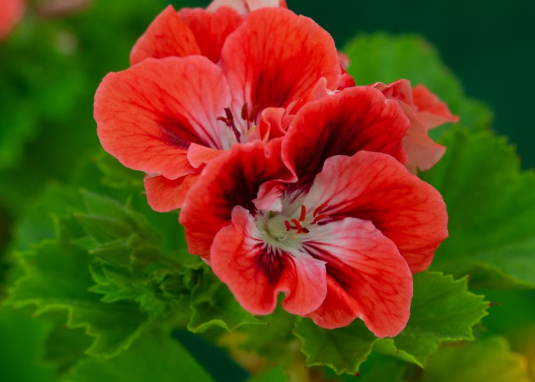
How to Help Geraniums Bloom More Often with Simple Care Tips
Easy Ways to Encourage More Flowers and Healthier Plants
Geraniums are among the most popular flowering plants for gardens, balconies, patios, and indoor spaces. Known for their bright blooms, attractive leaves, and relatively easy care requirements, geraniums can reward gardeners with months of colorful flowers when they receive the right attention.
However, many plant lovers notice that their geraniums sometimes stop flowering, produce fewer blooms, or appear healthy but fail to reach their full potential. The good news is that improving geranium flowering often comes down to a few simple care habits.
By providing the right amount of sunlight, water, nutrients, pruning, and maintenance, you can encourage your geraniums to bloom more frequently and stay healthy throughout the growing season.
Understanding Geranium Growth
Geraniums are flowering plants that thrive in conditions similar to their natural growing environments—bright light, well-draining soil, and moderate watering.
Although they are considered low-maintenance plants, geraniums are heavy bloomers. Producing flowers requires energy, and plants need the right balance of nutrients and care to continue creating new buds.
Common reasons geraniums fail to bloom include:
- Not enough sunlight
- Too much nitrogen fertilizer
- Overwatering
- Poor drainage
- Lack of pruning
- Spent flowers left on the plant
- Root problems
Identifying the cause is the first step toward bringing your geranium back to its best.
1. Give Geraniums Plenty of Sunlight
One of the most important factors affecting geranium blooms is sunlight.
Geraniums typically perform best when they receive:
- 6–8 hours of direct sunlight daily
- Bright morning or afternoon light
- A location with good air circulation
When geraniums do not receive enough light, they may:
- Grow tall and weak
- Produce fewer flowers
- Develop more leaves than blooms
If your plant is indoors, place it near a sunny window where it can receive strong natural light.
For outdoor plants, choose a bright location where they are not blocked by buildings, fences, or larger plants.
2. Water Correctly
Proper watering is essential for healthy geraniums.
Many gardeners make the mistake of watering too frequently. Geraniums prefer soil that dries slightly between waterings.
A good watering routine:
- Check the top inch of soil.
- Water when it feels dry.
- Water deeply until excess moisture drains away.
- Empty any standing water from trays or saucers.
Overwatering can lead to:
- Yellow leaves
- Root problems
- Weak growth
- Fewer flowers
Underwatering can cause:
- Wilting
- Dry leaves
- Dropped buds
Finding the right balance helps your geranium stay productive.
3. Use Well-Draining Soil
Healthy roots are the foundation of abundant blooms.
Geraniums do not like soggy soil because their roots need oxygen.
The ideal growing mix should be:
- Loose
- Nutrient-rich
- Well-draining
A quality potting mix designed for container plants usually works well.
For extra drainage, gardeners often add materials such as:
- Perlite
- Coarse sand
- Compost
Make sure containers have drainage holes so excess water can escape.
4. Feed Your Geraniums Properly
Geraniums need nutrients to produce flowers, but the type of fertilizer matters.
Too much nitrogen encourages leafy growth but may reduce blooming.
Look for a balanced or bloom-focused fertilizer with nutrients that support flower production.
Helpful nutrients include:
- Phosphorus for flower development
- Potassium for overall plant strength
- Balanced nitrogen for healthy leaves
A general feeding schedule:
- Fertilize every 2–4 weeks during active growth.
- Reduce feeding during cooler months when growth slows.
Always follow the fertilizer label instructions to avoid overfeeding.
5. Remove Old Flowers Regularly
One of the simplest ways to encourage more blooms is deadheading.
Deadheading means removing flowers that have finished blooming.
When old flowers remain, the plant may spend energy producing seeds instead of creating new blooms.
To deadhead geraniums:
- Cut or pinch off faded flower clusters.
- Remove the entire flower stem near the base.
- Clear away damaged leaves.
Regular deadheading can keep your plant looking fresh and encourage continuous flowering.
6. Prune for Fuller Growth
Pruning helps geraniums become bushier and produce more flowering stems.
If your plant looks:
- Tall
- Thin
- Leggy
- Uneven
it may benefit from trimming.
Pruning tips:
- Remove weak or overcrowded stems.
- Cut back long growth to encourage branching.
- Use clean scissors or pruning shears.
The best time for heavier pruning is usually before the main growing season begins.
7. Avoid Too Much Heat
Geraniums enjoy warmth but may slow down during extreme heat.
When temperatures become very high, plants may:
- Stop producing buds
- Drop flowers
- Become stressed
During hot periods:
- Provide afternoon shade if needed.
- Water consistently.
- Avoid placing containers on surfaces that become extremely hot.
A little protection during heat waves can help maintain flowering.
8. Provide Good Air Circulation
Crowded plants are more likely to develop fungal issues.
Good airflow helps:
- Reduce excess moisture
- Keep leaves healthier
- Prevent disease problems
Avoid placing geraniums too close together.
For container plants, leave enough space around each pot for air movement.
9. Repot When Necessary
Geraniums grown in containers can become root-bound over time.
Signs your plant may need repotting include:
- Roots growing from drainage holes
- Water running through too quickly
- Slow growth
- Reduced flowering
Choose a container only slightly larger than the current one.
A pot that is too large can hold excess moisture and encourage root problems.
10. Try Natural Bloom-Boosting Practices
Many gardeners use natural methods to support plant health.
Helpful practices include:
Adding Compost
Compost improves soil structure and provides gentle nutrients.
Using Organic Matter
Natural materials can help maintain healthy soil conditions.
Maintaining Consistent Care
Regular watering, feeding, and pruning usually produce better results than occasional intensive care.
Common Geranium Care Mistakes
Overwatering
This is one of the most common problems.
Always check soil moisture before watering.
Using Too Much Fertilizer
Excess nutrients can damage roots and encourage leaf growth instead of flowers.
Keeping Plants in Low Light
Insufficient sunlight is a major reason geraniums fail to bloom.
Ignoring Dead Flowers
Removing faded blooms helps redirect energy toward new growth.
Poor Drainage
Waterlogged roots can quickly affect plant health.
Seasonal Geranium Care Tips
Spring
Spring is the ideal time to:
- Prune old growth
- Refresh soil
- Begin regular feeding
- Move plants outdoors after frost risk passes
Summer
During summer:
- Water consistently
- Remove faded blooms
- Monitor pests
- Provide enough sunlight
Fall
As temperatures cool:
- Reduce watering
- Remove damaged growth
- Consider bringing tender varieties indoors
Winter
Many geranium varieties can survive indoors with proper care.
Provide:
- Bright light
- Reduced watering
- Cool temperatures
- Occasional maintenance
Frequently Asked Questions
Why Are My Geraniums Growing Leaves but No Flowers?
The most common causes are insufficient sunlight, too much nitrogen fertilizer, or lack of deadheading.
How Often Should I Water Geraniums?
Water when the top layer of soil feels dry. The exact schedule depends on climate, pot size, and growing conditions.
Can Geraniums Bloom All Summer?
Yes. With proper sunlight, watering, feeding, and regular deadheading, many geraniums can continue flowering throughout the growing season.
Should I Cut Back Geraniums?
Yes. Light pruning encourages fuller growth and can help promote more flowers.
Are Coffee Grounds Good for Geraniums?
Coffee grounds can add organic material to soil, but large amounts may create nutrient imbalances. Compost or a balanced fertilizer is usually a more reliable option.
Final Thoughts
Helping geraniums bloom more often does not require complicated gardening techniques. The key is providing consistent care: plenty of sunlight, proper watering, nutritious soil, regular feeding, and routine pruning.
Small actions like removing faded flowers and trimming weak stems can make a noticeable difference in your plant’s appearance and flowering performance.
With the right conditions and a little attention, your geraniums can reward you with vibrant, long-lasting blooms that brighten your home, garden, or outdoor space throughout the season.
