
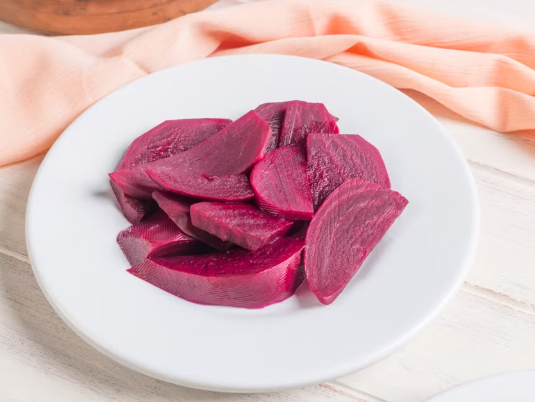
Health Benefits of Beets: What Science Says About Eating Them
Why This Colorful Root Vegetable Deserves a Place on Your Plate
Beets, also known as beetroot, are a vibrant root vegetable enjoyed around the world for their earthy flavor, deep color, and impressive nutritional profile. From salads and smoothies to roasted side dishes and juices, beets have become increasingly popular among people looking to add more nutrient-rich foods to their diet.
Beyond their beautiful appearance, beets contain naturally occurring compounds that have been studied for their potential effects on heart health, exercise performance, digestion, and overall wellness. While beets are not a cure-all food, research suggests that including them as part of a balanced diet may offer several health advantages.
This article explores the health benefits of beets, what scientific research suggests, their nutritional value, and simple ways to enjoy them.
What Are Beets?
Beets are edible root vegetables belonging to the same plant family as spinach and chard. The most common variety has a deep red or purple color, although golden and striped varieties are also available.
The part most commonly eaten is the root, but beet greens—the leafy tops—are also nutritious and can be cooked like other leafy vegetables.
Beets are valued for their:
- Natural nitrates
- Fiber content
- Antioxidants
- Vitamins and minerals
- Plant compounds called betalains
These nutrients contribute to many of the potential health effects associated with eating beets.
Nutritional Profile of Beets
Beets are relatively low in calories while providing important nutrients.
A typical serving of cooked beets provides:
- Dietary fiber
- Folate (vitamin B9)
- Potassium
- Manganese
- Vitamin C
- Magnesium
- Iron
- Natural plant antioxidants
They also contain nitrates, which are converted in the body into nitric oxide—a molecule involved in blood vessel function and circulation.
1. Beets May Support Heart Health
One of the most researched benefits of beets is their potential role in cardiovascular health.
Beets are naturally rich in dietary nitrates. The body converts these compounds into nitric oxide, which helps relax and widen blood vessels. This process may support healthy blood flow and contribute to maintaining normal blood pressure levels.
Some studies suggest that drinking beet juice or consuming nitrate-rich foods may lead to a temporary reduction in blood pressure, particularly in people with elevated blood pressure.
However, beets should be viewed as one part of an overall heart-healthy lifestyle that includes:
- Regular physical activity
- A balanced diet
- Limiting excessive sodium intake
- Managing stress
- Following medical advice when needed
2. They May Improve Exercise Performance
Beets have gained attention among athletes because of their nitrate content.
Nitric oxide helps improve the efficiency of oxygen use in the body, which may support physical performance during endurance activities.
Research has explored beetroot juice and exercise outcomes, with some studies suggesting it may help:
- Improve stamina
- Reduce the amount of oxygen needed during exercise
- Support endurance performance
- Delay fatigue during prolonged activity
While results vary among individuals, beets can be a nutritious addition to a diet that supports an active lifestyle.
3. Beets Support Digestive Health
Fiber is an important component of a healthy digestive system, and beets provide a useful amount of dietary fiber.
Fiber helps:
- Promote regular bowel movements
- Support healthy gut bacteria
- Improve feelings of fullness
- Maintain digestive function
Including fiber-rich foods like beets, vegetables, fruits, whole grains, and legumes can contribute to better overall digestive health.
4. Beets Are Rich in Antioxidants
Beets contain antioxidants that help protect cells from oxidative stress caused by unstable molecules called free radicals.
One group of compounds responsible for the bright color of beets is betalains. These plant pigments have antioxidant properties and are being studied for their potential role in supporting the body’s natural defense systems.
Eating a variety of colorful fruits and vegetables is one of the best ways to increase antioxidant intake naturally.
5. They May Help Reduce Inflammation
Chronic inflammation is linked to many health conditions, and diet can influence the body’s inflammatory processes.
Beet compounds, including betalains and other antioxidants, have been studied for their potential anti-inflammatory effects.
Although more human research is needed, regularly eating a variety of vegetables—including colorful options like beets—supports an overall eating pattern associated with better health.
6. Beets Support Brain Health and Circulation
Healthy blood flow is important for delivering oxygen and nutrients throughout the body, including the brain.
Because dietary nitrates may improve blood vessel function, researchers have investigated whether nitrate-rich foods such as beets may support cognitive function, especially as people age.
Some studies suggest improved blood flow may have benefits for brain function, although more research is needed to fully understand the relationship.
7. Beets Provide Important Nutrients During Pregnancy
Beets are a good source of folate, a B vitamin that plays an important role in cell growth and development.
Folate is especially important during pregnancy because it supports normal fetal development.
Pregnant individuals should discuss their specific nutritional needs with a healthcare professional, but nutrient-rich vegetables such as beets can be part of a healthy pregnancy diet.
8. Beets May Support Weight Management
Beets can be a helpful addition to a balanced diet for people working toward healthy weight goals.
They are:
- Naturally low in calories
- High in water content
- A source of fiber
- Filling when included in meals
Fiber-rich foods can help promote fullness, which may make it easier to maintain balanced eating habits.
How to Add More Beets to Your Diet
There are many delicious ways to enjoy beets.
Roasted Beets
Roasting brings out their natural sweetness.
Try combining roasted beets with:
- Olive oil
- Herbs
- Goat cheese
- Nuts
- Leafy greens
Beet Salad
A simple beet salad can include:
- Cooked beets
- Fresh greens
- Citrus slices
- Feta cheese
- Seeds or nuts
Beet Smoothies
Blend cooked or raw beets with:
- Berries
- Banana
- Yogurt
- Ginger
- Milk or plant-based alternatives
Beet Juice
Beet juice is popular among athletes and health enthusiasts because it provides concentrated nitrate content.
If drinking beet juice, remember that whole beets provide fiber as well.
Sautéed Beet Greens
Don’t throw away the leaves.
Beet greens can be cooked with:
- Garlic
- Olive oil
- Lemon juice
- Seasonings
They provide additional vitamins and minerals.
Possible Side Effects of Eating Beets
Beets are safe for most people, but there are a few things to know.
Red or Pink Urine and Stool
Some people notice reddish urine or stool after eating beets. This harmless effect is called beeturia and occurs because of beet pigments.
Kidney Stone Considerations
Beets contain oxalates, naturally occurring compounds that may contribute to kidney stone formation in susceptible individuals.
People with a history of oxalate-related kidney stones should discuss dietary choices with a healthcare professional.
Blood Sugar Considerations
Beets contain natural carbohydrates and sugar. Most people can enjoy them as part of a balanced diet, but individuals managing diabetes may want to consider portion sizes and overall carbohydrate intake.
Are Raw or Cooked Beets Better?
Both raw and cooked beets can be nutritious.
Raw Beets
Advantages:
- Crisp texture
- Retain heat-sensitive nutrients
- Great for salads and smoothies
Cooked Beets
Advantages:
- Softer texture
- Sweeter flavor
- Easier to digest for some people
The best choice is the one you enjoy eating regularly.
Frequently Asked Questions
How Often Should You Eat Beets?
There is no specific required amount, but including beets regularly as part of a varied diet can help increase your intake of vegetables and beneficial plant compounds.
Are Beets Good for Blood Pressure?
Research suggests the nitrates in beets may support healthy blood vessel function and may temporarily help lower blood pressure in some people.
They should not replace prescribed treatments or medical advice.
Can You Eat Beet Greens?
Yes. Beet greens are edible and nutritious. They can be cooked similarly to spinach or other leafy greens.
Are Beets High in Sugar?
Beets contain natural sugars, but they also provide fiber, vitamins, minerals, and antioxidants. They can fit into most balanced diets.
Final Thoughts
The health benefits of beets come from their impressive combination of fiber, vitamins, minerals, antioxidants, and naturally occurring nitrates. Scientific research suggests that beets may support heart health, exercise performance, digestion, and healthy circulation when included as part of an overall nutritious eating pattern.
While no single food can replace a healthy lifestyle, adding colorful vegetables like beets to your meals is a simple way to increase your intake of beneficial nutrients. Whether roasted, blended into smoothies, added to salads, or enjoyed as juice, beets are a flavorful and versatile vegetable that can contribute to a healthier diet.
