
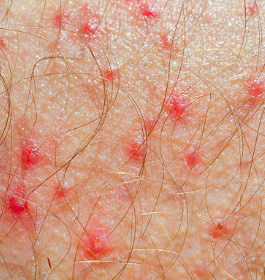
What Small Red Bumps on Your Skin May Mean: Common Causes, Symptoms, and When to See a Doctor
Discovering small red bumps on your skin can be concerning, especially if they appear suddenly or spread quickly. While many red bumps are harmless and temporary, others may signal an allergic reaction, skin infection, or an underlying medical condition that requires attention.
The appearance, location, size, and accompanying symptoms of the bumps can provide important clues about their cause. Some may be itchy, painful, or filled with fluid, while others may be smooth, rough, or completely symptom-free.
Why Do Small Red Bumps Appear?
Small red bumps develop for many different reasons. They may result from inflammation, blocked hair follicles, infections, allergies, heat, or irritation.
Common factors include:
- Allergic reactions
- Insect bites
- Dry skin
- Heat and sweating
- Skin infections
- Chronic skin conditions
- Irritating chemicals or cosmetics
- Certain medications
Most cases are not serious, but persistent or worsening symptoms should be evaluated by a healthcare professional.
1. Keratosis Pilaris (“Chicken Skin”)
Keratosis pilaris is one of the most common causes of tiny rough red bumps.
It occurs when keratin, a protective skin protein, builds up and blocks hair follicles.
Symptoms
- Tiny rough bumps
- Mild redness
- Dry skin
- Sandpaper-like texture
Common Locations
- Upper arms
- Thighs
- Buttocks
- Cheeks
Treatment
Although harmless, regular moisturizing and gentle exfoliation with products containing urea, lactic acid, or salicylic acid may improve the skin’s appearance.
2. Heat Rash
Heat rash develops when sweat becomes trapped beneath the skin.
It is common during:
- Hot weather
- Intense exercise
- Humid climates
- Wearing tight clothing
Symptoms
- Tiny red bumps
- Mild itching
- Prickling sensation
- Skin irritation
Common Areas
- Neck
- Chest
- Back
- Underarms
- Groin
Cooling the skin and wearing loose, breathable clothing usually helps the rash resolve.
3. Folliculitis
Folliculitis is inflammation or infection of hair follicles.
It may develop after:
- Shaving
- Friction from clothing
- Sweating
- Hot tubs
- Bacterial or fungal infections
Symptoms
- Red bumps around hair follicles
- Small white-headed pimples
- Tenderness
- Mild itching
Mild cases often improve with good hygiene, while more severe infections may require medical treatment.
4. Contact Dermatitis
Contact dermatitis occurs when the skin reacts to an irritating substance or allergen.
Possible triggers include:
- Soaps
- Cosmetics
- Laundry detergents
- Jewelry
- Fragrances
- Plants such as poison ivy
Symptoms
- Red bumps
- Itching
- Dryness
- Swelling
- Burning sensation
Identifying and avoiding the trigger is the most important step in treatment.
5. Insect Bites
Mosquitoes, fleas, bed bugs, mites, and other insects commonly cause small red bumps.
Symptoms
- Raised bumps
- Itching
- Swelling
- Small central puncture mark
Applying a cold compress and avoiding scratching may help relieve discomfort while the skin heals.
6. Hives (Urticaria)
Hives are raised, itchy welts caused by the release of histamine in the skin.
Triggers may include:
- Foods
- Medications
- Infections
- Temperature changes
- Stress
Unlike fixed bumps, hives often appear suddenly and may move or disappear within hours.
Seek immediate medical care if hives occur with difficulty breathing, swelling of the face or throat, or signs of a severe allergic reaction.
7. Eczema (Atopic Dermatitis)
Eczema is a chronic inflammatory skin condition that often causes itchy red patches and small bumps.
Common Symptoms
- Intense itching
- Dry skin
- Red bumps
- Thickened skin after repeated scratching
Common Areas
- Hands
- Elbows
- Knees
- Neck
- Face (especially in children)
Moisturizing regularly and avoiding known irritants can help manage flare-ups.
8. Acne
Acne develops when pores become clogged with oil, dead skin cells, and bacteria.
Types of Acne Bumps
- Red papules
- Pimples
- Whiteheads
- Blackheads
- Deeper cysts
Common Locations
- Face
- Chest
- Back
- Shoulders
Gentle cleansing and non-comedogenic skincare products may help. Persistent or severe acne may require treatment from a dermatologist.
9. Cherry Angiomas
Cherry angiomas are small, bright red spots caused by clusters of tiny blood vessels.
Characteristics
- Smooth
- Bright red
- Round
- Usually painless
- Common with aging
These growths are typically harmless and do not require treatment unless they bleed frequently or are cosmetically bothersome.
10. Petechiae
Petechiae are tiny red, purple, or brown spots caused by bleeding under the skin.
Unlike many other red bumps, petechiae:
- Are flat rather than raised
- Do not blanch (turn white) when pressed
- May appear in clusters
Petechiae can have many causes, ranging from minor physical strain to more serious medical conditions. If they appear suddenly, spread rapidly, or occur with fever, unusual bruising, or other concerning symptoms, seek prompt medical evaluation.
11. Psoriasis
Psoriasis is an autoimmune condition that speeds up skin cell turnover.
Symptoms
- Red patches
- Thick silvery scales
- Itching
- Cracking skin
Although psoriasis often forms plaques rather than isolated bumps, some forms begin with small red spots.
12. Viral Skin Rashes
Several viral illnesses can cause widespread small red bumps or spots.
Examples include:
- Chickenpox
- Hand, foot, and mouth disease
- Roseola
- Measles (in areas where it still occurs)
These rashes are often accompanied by symptoms such as fever, fatigue, sore throat, or body aches. Medical evaluation is recommended if a viral rash is suspected, particularly in young children or immunocompromised individuals.
When Should You See a Doctor?
Many skin conditions improve on their own, but medical evaluation is recommended if red bumps:
- Persist for more than two weeks
- Continue spreading
- Become painful
- Produce pus or drainage
- Bleed repeatedly
- Develop after starting a new medication
- Are associated with fever or chills
- Interfere with daily activities or sleep
Prompt medical care is especially important if symptoms appear suddenly and are severe.
Seek Emergency Care Immediately If You Experience
Get emergency medical attention if red bumps occur along with:
- Difficulty breathing
- Swelling of the lips, tongue, or throat
- Severe dizziness or fainting
- Rapidly spreading rash
- High fever with a widespread rash
- Purple spots that spread quickly
- Signs of a severe allergic reaction (anaphylaxis)
These symptoms may indicate a medical emergency.
How Are Small Red Bumps Diagnosed?
A healthcare provider may evaluate:
- The appearance of the bumps
- Their location
- Duration
- Itching or pain
- Recent illnesses
- Medications
- Allergies
- Family history
- Exposure to new products or environmental triggers
In some cases, additional testing—such as skin scrapings, allergy testing, blood tests, or a skin biopsy—may be recommended.
Tips for Caring for Your Skin
To help protect your skin and reduce irritation:
- Use gentle, fragrance-free cleansers.
- Moisturize daily, especially after bathing.
- Avoid scratching affected areas.
- Wear loose, breathable clothing.
- Protect your skin from excessive sun exposure.
- Wash after heavy sweating.
- Avoid known allergens or irritants when possible.
If over-the-counter products do not improve your symptoms, consult a healthcare professional for further evaluation.
Frequently Asked Questions
Are small red bumps always serious?
No. Many causes, such as heat rash, keratosis pilaris, or insect bites, are harmless and often resolve with simple home care. However, persistent, painful, or rapidly spreading bumps should be evaluated by a healthcare provider.
Can stress cause red bumps?
Stress may worsen certain skin conditions, including eczema, hives, psoriasis, and acne. While stress alone doesn’t cause every skin rash, it can contribute to flare-ups in some individuals.
Why do I have tiny red bumps that itch?
Itchy red bumps may result from allergies, insect bites, eczema, heat rash, contact dermatitis, or hives. A healthcare provider can help determine the exact cause if symptoms persist.
Should I pop or scratch red bumps?
No. Popping or scratching bumps can increase the risk of skin irritation, infection, and scarring. It’s best to keep the area clean and avoid picking at the skin.
Final Thoughts
Small red bumps on the skin can have many different causes, ranging from harmless conditions like keratosis pilaris and heat rash to infections, allergic reactions, or chronic skin disorders. Paying attention to the bumps’ appearance, location, and accompanying symptoms can help narrow down the cause, but a professional evaluation may be necessary if the rash is persistent, painful, or accompanied by fever or other concerning symptoms.
Most importantly, avoid self-diagnosing serious skin conditions based solely on appearance. If you’re unsure about the cause of a rash or if symptoms worsen despite home care, consult a qualified healthcare professional for an accurate diagnosis and appropriate treatment.
