
New Advances May Make Colon Cancer Screening Less Invasive
Colon cancer screening has long been recognized as one of the most effective ways to detect colorectal cancer early, when treatment is often more successful. Traditional screening methods, especially colonoscopy, remain the gold standard because they can both detect and remove precancerous polyps during the same procedure. However, many people delay or avoid screening due to concerns about preparation, discomfort, or the invasive nature of the test.
Fortunately, recent advances in medical technology are making colorectal cancer screening more convenient and less invasive. New stool-based DNA tests, improved imaging techniques, blood-based screening tests, and artificial intelligence (AI) are expanding the options available for eligible adults. These innovations may encourage more people to get screened, ultimately helping reduce colorectal cancer-related deaths through earlier detection.
Why Colon Cancer Screening Is Important
Colorectal cancer develops in the colon or rectum, often beginning as small growths called polyps. Many polyps do not cause symptoms but can gradually develop into cancer over time.
Early detection offers several important benefits:
- Finds cancer before symptoms appear
- Identifies precancerous polyps that can be removed
- Improves treatment options
- Increases survival rates
- May reduce the need for extensive treatment
Because colorectal cancer often develops slowly, routine screening can detect abnormalities years before they become more serious.
Why Some People Avoid Screening
Although screening saves lives, participation remains lower than recommended in many countries.
Common reasons include:
- Fear of discomfort
- Concerns about bowel preparation
- Anxiety about sedation
- Embarrassment
- Lack of symptoms
- Busy schedules
- Limited access to healthcare
Newer screening technologies aim to address some of these concerns by offering less invasive alternatives for appropriate individuals.
Traditional Colonoscopy: The Current Gold Standard
A colonoscopy allows a healthcare provider to examine the entire colon using a flexible camera.
During the procedure, doctors can:
- Detect polyps
- Remove suspicious growths
- Collect tissue samples for biopsy
- Diagnose various intestinal conditions
Advantages
- Highly accurate
- Can prevent cancer by removing polyps
- Usually needed only every several years for people at average risk with normal findings
Limitations
- Requires bowel preparation
- Usually involves sedation
- Small risk of complications
- Requires recovery time after sedation
While colonoscopy remains the preferred diagnostic test in many situations, less invasive screening options are becoming increasingly available.
Stool-Based DNA Testing
One of the most significant advances in colorectal cancer screening is stool-based DNA testing.
These at-home tests look for:
- Tiny amounts of blood
- Abnormal DNA changes associated with colorectal cancer or advanced polyps
Benefits
- No sedation required
- Completed at home
- No invasive instruments
- Convenient sample collection
These tests may be an appropriate screening option for some adults at average risk. However, a positive result generally requires a follow-up colonoscopy for confirmation and possible treatment.
Fecal Immunochemical Tests (FIT)
The fecal immunochemical test (FIT) is another non-invasive screening method.
FIT checks stool samples for hidden blood that may indicate bleeding from polyps or colorectal cancer.
Advantages
- Easy to perform at home
- No dietary restrictions for most versions
- No bowel preparation
- Affordable in many healthcare systems
Because FIT primarily detects blood rather than structural changes, it usually needs to be repeated regularly according to healthcare provider recommendations.
Blood-Based Screening Tests
One of the newest developments in colorectal cancer screening is blood-based testing.
Researchers have developed blood tests designed to detect biological signals associated with colorectal cancer.
Potential benefits include:
- Simple blood draw
- No bowel preparation
- No stool collection
- Convenient during routine medical visits
While promising, blood-based tests are generally intended for screening rather than diagnosis. If results are abnormal, a colonoscopy is still necessary to identify the source and remove any precancerous polyps if needed.
Artificial Intelligence Is Improving Colonoscopy
Even though colonoscopy is an invasive procedure, artificial intelligence is making it more effective.
AI-assisted colonoscopy systems can help physicians:
- Highlight suspicious polyps in real time
- Improve detection rates
- Reduce the chance of missing small lesions
- Support consistent examination quality
These systems assist healthcare providers but do not replace medical expertise or clinical judgment.
Enhanced Imaging Technologies
Advances in imaging are also improving colorectal cancer detection.
New technologies may include:
- High-definition endoscopy
- Enhanced image processing
- Narrow-band imaging
- Chromoendoscopy techniques
These improvements allow doctors to better visualize small or flat polyps that might have been more difficult to detect using older equipment.
CT Colonography (Virtual Colonoscopy)
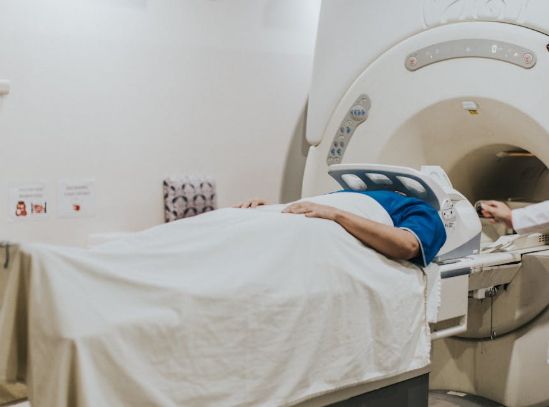
CT colonography, sometimes called a virtual colonoscopy, uses computed tomography (CT) scans to create detailed images of the colon.
Benefits
- Minimally invasive
- No sedation required
- Short procedure time
- Quick recovery
Limitations
- Still requires bowel preparation
- Cannot remove polyps
- Abnormal findings require a conventional colonoscopy
CT colonography may be an option for certain individuals, depending on medical history and local availability.
Capsule Endoscopy: A Swallowable Camera
Researchers continue to improve capsule endoscopy technology.
During the procedure, a person swallows a capsule containing a miniature camera that captures thousands of images as it travels through the digestive tract.
Potential advantages include:
- No sedation
- No endoscope insertion
- Comfortable for many patients
Capsule technology continues to evolve, though it is not currently a replacement for standard colonoscopy in most screening situations.
Personalized Screening Strategies
Healthcare providers increasingly recognize that screening should be tailored to each person’s individual risk.
Factors influencing screening recommendations may include:
- Age
- Family history
- Personal history of polyps
- Inflammatory bowel disease
- Certain inherited genetic conditions
- Overall health
Personalized screening helps balance benefits and risks while selecting the most appropriate screening method.
Who Should Consider Screening?
Screening recommendations vary by country and individual risk factors. Many health organizations recommend that adults at average risk begin routine colorectal cancer screening in midlife, while people with higher risk factors may need to start earlier or undergo more frequent testing.
Your healthcare provider can recommend the screening schedule that best fits your health history.
Lifestyle Habits That May Support Colon Health
Although screening is essential, healthy lifestyle choices may also contribute to overall colon health.
Helpful habits include:
- Eating plenty of fruits and vegetables
- Choosing whole grains
- Staying physically active
- Maintaining a healthy weight
- Limiting processed meats
- Avoiding tobacco
- Limiting alcohol consumption
These habits support overall health and may help reduce the risk of several chronic diseases.
Frequently Asked Questions
Are blood tests replacing colonoscopies?
No. Blood-based screening tests are becoming more widely available, but they do not replace colonoscopy. A positive blood test generally requires a follow-up colonoscopy for diagnosis and possible treatment.
Is a stool DNA test as accurate as a colonoscopy?
Stool DNA tests can detect many colorectal cancers and some advanced precancerous polyps, but colonoscopy remains the most comprehensive screening method because it allows doctors to directly examine the colon and remove polyps during the same procedure.
What happens if a non-invasive test is positive?
A positive result from a stool-based or blood-based screening test usually means that a colonoscopy is recommended to determine the cause and, if necessary, remove abnormal tissue.
Are less invasive screening methods suitable for everyone?
Not always. People with symptoms, a personal history of colorectal cancer or polyps, inflammatory bowel disease, or a strong family history may require colonoscopy rather than non-invasive screening tests.
The Future of Colon Cancer Screening
Researchers continue to develop more accurate, convenient, and patient-friendly screening methods. Advances in blood-based biomarkers, AI-assisted imaging, molecular testing, and personalized screening strategies may further improve early detection while making screening more accessible.
As technology evolves, healthcare providers are likely to have an expanding range of tools to help identify colorectal cancer at its earliest—and most treatable—stages.
Final Thoughts
Recent advances in colon cancer screening are making early detection more convenient and less invasive than ever before. At-home stool tests, emerging blood-based screenings, AI-enhanced colonoscopy, virtual colonoscopy, and improved imaging technologies offer additional options that may encourage more people to participate in routine screening.
While traditional colonoscopy remains the most comprehensive screening method, these innovations represent meaningful progress in improving access and patient comfort. The most important step is not choosing the “perfect” test—it’s getting screened with the method recommended by your healthcare provider based on your age, risk factors, and medical history.
