
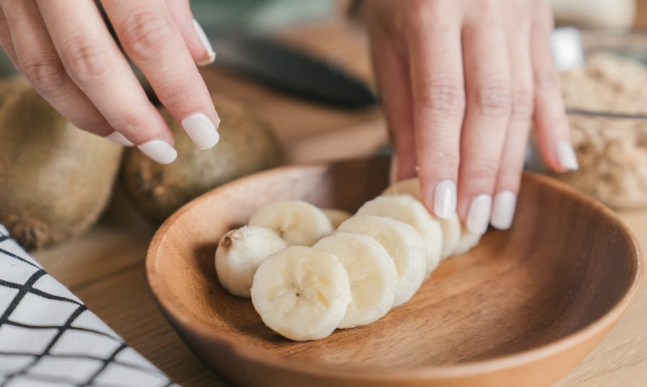
Did You Know Eating Bananas Has These Benefits?
Bananas are one of the most widely enjoyed fruits in the world. They are easy to carry, naturally sweet, affordable, and available throughout the year. Many people eat bananas as a quick breakfast option, a workout snack, or a simple way to add more fruit to their diet.
Beyond their convenience and taste, bananas provide several important nutrients that support overall health. They contain potassium, fiber, vitamins, minerals, and plant compounds that may benefit the heart, digestion, energy levels, and more.
While no single food can prevent disease or replace a healthy lifestyle, including bananas as part of a balanced diet can contribute to better nutrition.
1. Bananas May Support Heart Health
One of the best-known benefits of bananas is their potassium content.
Potassium is an essential mineral that helps regulate fluid balance, supports normal muscle function, and plays an important role in maintaining healthy blood pressure.
A diet that includes potassium-rich foods may help balance the effects of sodium in the body. Since excess sodium intake can contribute to higher blood pressure in some people, choosing foods naturally rich in potassium can be part of a heart-friendly eating pattern.
Bananas also contain fiber and antioxidants, which are important components of a diet that supports cardiovascular health.
2. Bananas Provide Natural Energy
Bananas are a popular choice among athletes and active individuals because they provide carbohydrates that the body can use for fuel.
The natural sugars in bananas, including glucose, fructose, and sucrose, provide quick energy, while the fiber helps slow digestion and supports more steady energy release.
A banana can be a convenient snack before activities such as:
- Walking
- Cycling
- Exercise sessions
- Outdoor activities
Instead of reaching for highly processed snacks, a banana provides energy along with valuable nutrients.
3. Bananas Support Digestive Health
Bananas contain dietary fiber, which supports healthy digestion.
Fiber helps:
- Promote regular bowel movements
- Support a healthy gut environment
- Add bulk to stool
- Maintain digestive comfort
Less ripe bananas contain more resistant starch, a type of carbohydrate that acts similarly to fiber and may support beneficial gut bacteria.
Riper bananas are softer and easier to digest, making them a popular food choice for many people.
4. Bananas May Help You Feel Full Longer
Because bananas contain fiber and carbohydrates, they can help provide a feeling of satisfaction after eating.
Including filling foods in your diet may help reduce unnecessary snacking and support healthy eating habits.
For a more balanced snack, try combining a banana with:
- Unsalted nuts
- Plain yogurt
- Nut butter
- A protein-rich food
Adding protein or healthy fats can help make the snack more satisfying.
5. Bananas Support Muscle Function
Potassium and magnesium are minerals found in bananas that contribute to normal muscle function.
These nutrients help support:
- Normal muscle contractions
- Nerve function
- Fluid balance
People who are physically active may appreciate bananas as a convenient source of nutrients that support an active lifestyle.
However, muscle cramps can have many causes, including dehydration, exercise intensity, and electrolyte balance. Eating bananas alone is not guaranteed to prevent cramps.
6. Bananas Provide Important Vitamins and Minerals
Although bananas are best known for potassium, they contain several other nutrients.
Vitamin B6
Bananas are a good source of vitamin B6, which supports:
- Normal brain function
- Energy metabolism
- Production of certain neurotransmitters
Vitamin C
Bananas provide vitamin C, an antioxidant that supports immune function and helps protect cells.
Magnesium
Magnesium contributes to:
- Muscle and nerve function
- Bone health
- Normal energy production
7. Bananas May Support Healthy Blood Pressure
Maintaining healthy blood pressure is important for long-term heart and blood vessel health.
Bananas can contribute to a blood-pressure-friendly diet because they are:
- Naturally low in sodium
- Rich in potassium
- A source of fiber
However, people with high blood pressure should follow their healthcare provider’s recommendations, including any prescribed medications or dietary guidelines.
8. Bananas Are Easy on the Budget and Easy to Add to Meals
One reason bananas remain popular is their convenience.
They require no preparation, are easy to transport, and can be added to many foods.
Simple ways to enjoy bananas include:
- Adding slices to oatmeal
- Blending them into smoothies
- Mixing them with yogurt
- Eating them with nuts
- Using mashed bananas in homemade recipes
They can also be a healthier alternative to desserts that are high in added sugars.
9. Bananas May Support a Healthy Mood
Bananas contain nutrients involved in normal brain function, including vitamin B6.
They also provide carbohydrates that help the body produce serotonin, a chemical involved in mood regulation.
While eating bananas will not treat depression or anxiety, a nutritious diet that includes fruits and vegetables supports overall physical and mental well-being.
10. Bananas Can Support Healthy Skin
The vitamins and antioxidants found in bananas contribute to overall nutrition, which plays a role in maintaining healthy skin.
Vitamin C, for example, supports collagen production, which is important for skin structure.
Eating a variety of fruits and vegetables provides a wider range of nutrients that support skin health.
Are Bananas Good for Everyone?
For most healthy people, bananas are a nutritious and safe food choice. However, some individuals may need to be mindful of potassium intake.
People who should ask a healthcare professional about their diet include those with:
- Kidney disease
- Certain heart conditions
- Conditions requiring potassium restrictions
- Medications that affect potassium levels
Your healthcare provider can help determine what foods best fit your personal health needs.
Green Bananas vs. Ripe Bananas
The nutritional characteristics of bananas change as they ripen.
Green Bananas
Green bananas:
- Contain more resistant starch
- Are less sweet
- Have a firmer texture
They may be preferred by some people looking for foods that digest more slowly.
Yellow Bananas
Yellow bananas:
- Are sweeter
- Are softer
- Are easier to digest for many people
Both types can be included in a healthy diet.
How Many Bananas Should You Eat?
There is no universal number of bananas that everyone should eat each day. The right amount depends on your overall diet, activity level, and health needs.
For many people, one banana as part of a varied diet is a healthy choice.
A balanced eating pattern should also include:
- Vegetables
- Whole grains
- Protein sources
- Healthy fats
- A variety of fruits
Frequently Asked Questions
Are bananas good for your heart?
Yes, bananas contain potassium, fiber, and other nutrients that can support heart health as part of a balanced diet.
Can bananas help with weight loss?
Bananas can fit into a weight-management plan because they provide fiber and nutrients. Portion size and overall calorie intake still matter.
Are bananas high in sugar?
Bananas contain natural sugars, but they also provide fiber, vitamins, and minerals. They are different from foods with added sugars and little nutritional value.
Is it better to eat bananas in the morning?
Bananas can be eaten at any time of day. The best time depends on your personal routine and dietary needs.
Final Thoughts
Bananas are more than just a convenient snack. They provide potassium, fiber, vitamins, and minerals that support many aspects of health, including heart function, digestion, energy, and muscle performance.
Although bananas are not a miracle food, they can be a valuable part of a balanced diet. Pairing them with other nutritious foods and maintaining healthy habits can help support overall wellness.
A simple banana may seem like a small choice, but small, consistent nutrition choices can contribute to better health over time.
