
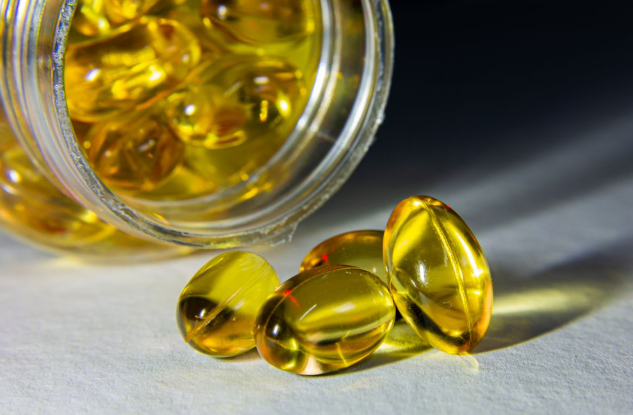
6 Vitamins That Support Heart Health
Your heart works around the clock to pump blood, deliver oxygen, and support every organ in your body. Maintaining heart health depends on many factors, including regular physical activity, a balanced diet, healthy blood pressure, good cholesterol levels, and proper nutrition.
While no vitamin can prevent heart disease on its own, certain vitamins play important roles in supporting processes connected to cardiovascular health. They help the body maintain healthy blood vessels, support normal energy production, protect cells from oxidative stress, and contribute to overall well-being.
A nutrient-rich diet is usually the best way to get essential vitamins. Supplements may be helpful for some people with specific deficiencies, but they should be used with guidance from a healthcare professional.
Here are six vitamins that are commonly associated with heart health and why they matter.
1. Vitamin D: Supports Blood Vessels and Heart Function
Vitamin D is often called the “sunshine vitamin” because the body can produce it when skin is exposed to sunlight. It is best known for supporting strong bones by helping the body absorb calcium, but it also plays a role in several other body functions.
Research has explored the relationship between vitamin D levels and cardiovascular health. Adequate vitamin D is important for:
- Normal muscle function
- Healthy immune responses
- Maintaining strong bones
- Supporting overall body function
Because the heart is a muscle, maintaining proper nutrition—including adequate vitamin D levels—supports normal muscle health.
Sources of Vitamin D
Vitamin D can be obtained from:
- Sunlight exposure
- Fatty fish such as salmon and sardines
- Egg yolks
- Fortified milk and cereals
- Fortified plant-based beverages
Some people, especially older adults or those with limited sun exposure, may have lower vitamin D levels and may benefit from discussing testing with a healthcare provider.
2. Vitamin B12: Supports Healthy Blood and Nerves
Vitamin B12 is essential for producing healthy red blood cells and maintaining normal nerve function.
Healthy blood cells are important because they carry oxygen throughout the body, including to the heart and muscles.
Vitamin B12 also helps with:
- Normal energy metabolism
- Formation of DNA
- Proper nervous system function
Low vitamin B12 levels can contribute to certain types of anemia, which may affect energy and physical function.
Sources of Vitamin B12
Foods rich in vitamin B12 include:
- Fish
- Meat
- Eggs
- Dairy products
- Fortified cereals
- Fortified plant-based foods
Older adults and people following certain diets may be at greater risk of low B12 levels and may need medical advice about supplementation.
3. Vitamin B6: Helps Maintain Normal Homocysteine Levels
Vitamin B6 is another member of the B-vitamin family that supports many important body processes.
It contributes to:
- Protein metabolism
- Normal brain function
- Red blood cell production
- Healthy immune function
Vitamin B6 also works with other B vitamins in processes involving homocysteine, an amino acid found naturally in the blood.
Maintaining normal homocysteine levels is considered part of supporting overall cardiovascular wellness.
Sources of Vitamin B6
Good food sources include:
- Bananas
- Poultry
- Fish
- Potatoes
- Chickpeas
- Fortified cereals
A balanced diet usually provides enough vitamin B6 for most people.
4. Vitamin C: Provides Antioxidant Support
Vitamin C is a powerful antioxidant that helps protect cells from oxidative stress.
Oxidative stress can affect many parts of the body, including blood vessels. Vitamin C also supports collagen production, which helps maintain the structure of skin, connective tissues, and blood vessels.
Potential benefits of adequate vitamin C intake include:
- Supporting healthy blood vessel structure
- Helping protect cells
- Supporting immune health
- Improving absorption of plant-based iron
Sources of Vitamin C
Vitamin C is found in many fruits and vegetables, including:
- Oranges
- Strawberries
- Kiwi
- Bell peppers
- Broccoli
- Tomatoes
Eating a variety of colorful fruits and vegetables provides a wide range of protective nutrients.
5. Vitamin E: Helps Protect Cells From Oxidative Stress
Vitamin E is a fat-soluble vitamin known for its antioxidant properties.
It helps protect cells from damage caused by free radicals, unstable molecules that can affect cells throughout the body.
Vitamin E contributes to:
- Protecting cell membranes
- Supporting immune function
- Maintaining healthy tissues
Nuts, seeds, and plant oils are common sources of vitamin E.
Sources of Vitamin E
Foods containing vitamin E include:
- Almonds
- Sunflower seeds
- Peanuts
- Spinach
- Avocados
- Vegetable oils
Although vitamin E is important, taking high-dose supplements without medical advice may not be appropriate for everyone.
6. Vitamin K: Supports Healthy Blood and Blood Vessels
Vitamin K plays an important role in normal blood clotting and bone health.
It is also involved in processes related to calcium regulation in the body.
Maintaining adequate vitamin K intake supports:
- Normal blood clotting function
- Strong bones
- Overall nutritional balance
Sources of Vitamin K
Vitamin K is found in:
- Leafy green vegetables
- Kale
- Spinach
- Broccoli
- Brussels sprouts
- Certain vegetable oils
People taking blood-thinning medications should discuss vitamin K intake with their healthcare provider because sudden changes in vitamin K consumption may affect some treatments.
Other Nutrients Important for Heart Health
Although vitamins are important, heart health depends on many nutrients and lifestyle choices.
Other important nutrients include:
Omega-3 Fatty Acids
Found in fatty fish, walnuts, and flaxseeds, omega-3 fats support overall cardiovascular wellness.
Fiber
Fiber from fruits, vegetables, beans, and whole grains supports healthy digestion and may help maintain healthy cholesterol levels.
Potassium
Potassium helps maintain normal fluid balance and supports healthy blood pressure.
Sources include:
- Bananas
- Sweet potatoes
- Beans
- Leafy greens
Heart-Healthy Lifestyle Habits
Getting enough vitamins is only one part of protecting your heart. Experts commonly recommend combining good nutrition with healthy daily habits.
Eat a Balanced Diet
Focus on:
- Fruits and vegetables
- Whole grains
- Lean proteins
- Healthy fats
- Nuts and seeds
Limit:
- Excess sodium
- Highly processed foods
- Added sugars
- Unhealthy fats
Exercise Regularly
Physical activity helps support:
- Heart strength
- Circulation
- Healthy blood pressure
- Weight management
Walking, swimming, cycling, and strength exercises can all contribute to cardiovascular fitness.
Maintain Healthy Blood Pressure
High blood pressure can silently affect the heart and blood vessels. Regular monitoring and medical guidance are important.
Avoid Smoking
Smoking damages blood vessels and greatly increases the risk of heart disease.
Get Regular Checkups
Routine health visits can help identify issues such as high cholesterol, high blood pressure, or nutrient deficiencies.
Should You Take Vitamin Supplements for Heart Health?
Supplements are not necessary for everyone. A healthy diet usually provides the vitamins most people need.
However, supplements may be recommended for individuals with:
- Confirmed vitamin deficiencies
- Certain medical conditions
- Dietary restrictions
- Absorption problems
Before starting any supplement, talk with a healthcare professional, especially if you take prescription medications or have heart-related conditions.
Frequently Asked Questions
Can vitamins prevent heart disease?
No vitamin can guarantee prevention of heart disease. Vitamins support normal body functions, but heart health depends on many factors, including lifestyle and medical care.
Are vitamin supplements better than getting vitamins from food?
Whole foods provide vitamins along with fiber, minerals, and other beneficial compounds. Supplements may be useful in specific situations but are not a replacement for a balanced diet.
Which vitamin is most important for the heart?
There is no single “best” heart vitamin. Different vitamins support different body functions, and overall nutrition matters most.
Can older adults benefit from heart-supporting vitamins?
Older adults may have increased needs for certain nutrients due to changes in diet, absorption, or lifestyle. A healthcare provider can recommend appropriate testing or supplements.
Final Thoughts
Vitamins such as D, B12, B6, C, E, and K contribute to important processes that support overall health and may play a role in maintaining a healthy cardiovascular system.
However, protecting your heart requires a complete approach that includes nutritious food choices, regular movement, managing health conditions, and following medical advice.
The best heart-health strategy is not focusing on one nutrient alone—it is building consistent habits that support your body every day.
