
Signs Your Heart May Be in Serious Danger: Symptoms You Should Never Ignore
Your heart works continuously to pump blood and deliver oxygen throughout your body. Because it plays such a vital role, recognizing warning signs of heart trouble can be life-saving.
Heart problems do not always appear as sudden, dramatic events. Sometimes, the body gives subtle signals that something may be wrong. Paying attention to changes in your health and seeking medical care when needed can help prevent serious complications.
Heart-related symptoms can vary from person to person. Some people experience classic warning signs, while others may notice less obvious changes such as unusual fatigue, shortness of breath, or discomfort in unexpected areas of the body.
This article explains important signs that may indicate your heart needs attention and when you should seek medical help.
Why Heart Warning Signs Matter
Heart disease remains one of the leading health concerns worldwide. Conditions such as coronary artery disease, heart failure, irregular heart rhythms, and heart attacks can affect how well the heart functions.
Many heart problems develop gradually. Early symptoms may be mild or easy to dismiss, but they can sometimes indicate an underlying issue that requires evaluation.
Common risk factors for heart disease include:
- High blood pressure
- High cholesterol
- Diabetes
- Smoking
- Excess body weight
- Lack of physical activity
- Family history of heart disease
- Increasing age
- Chronic stress
Understanding your personal risk factors can help you recognize when symptoms deserve attention.
1. Chest Pain or Pressure
Chest discomfort is one of the most recognized warning signs of a possible heart problem.
Heart-related chest pain may feel like:
- Pressure or squeezing
- Tightness
- Heavy weight on the chest
- Burning or discomfort
- A feeling of fullness
Some people describe it as a sensation that comes and goes, especially during physical activity or stress.
However, chest pain is not always caused by the heart. It can also result from other conditions. Because heart-related causes can be serious, new or unexplained chest discomfort should be evaluated.
When Chest Pain Requires Emergency Help
Seek emergency medical attention if chest discomfort:
- Is severe or sudden
- Lasts more than a few minutes
- Occurs with shortness of breath
- Comes with sweating, nausea, or dizziness
- Spreads to the arm, jaw, neck, or back
2. Shortness of Breath
Feeling unusually short of breath can be a sign that the heart is struggling to pump blood effectively.
Some people notice:
- Difficulty breathing during normal activities
- Breathlessness while lying down
- Waking up feeling short of breath
- Reduced ability to exercise
Shortness of breath may have many causes, including lung conditions, anemia, and anxiety, but it can also be linked to heart problems.
3. Unusual Fatigue
Extreme tiredness that does not improve with rest may be a warning sign, especially when it is new or unexplained.
Heart-related fatigue may occur because the heart is not delivering enough oxygen-rich blood to meet the body’s needs.
Pay attention if you notice:
- Feeling exhausted after simple tasks
- Reduced stamina
- Difficulty completing normal activities
- Sudden changes in energy levels
4. Irregular Heartbeat or Palpitations
A feeling that your heart is racing, fluttering, skipping beats, or pounding may be called palpitations.
Occasional palpitations can occur for many reasons, including stress, caffeine, or exercise. However, frequent or severe changes in heartbeat may require medical evaluation.
Seek advice if palpitations occur with:
- Chest discomfort
- Fainting
- Dizziness
- Shortness of breath
- Weakness
5. Dizziness or Fainting
Dizziness, lightheadedness, or fainting can occur when the brain does not receive enough blood flow.
Possible heart-related causes include:
- Abnormal heart rhythms
- Problems with heart pumping ability
- Blood pressure changes
A fainting episode, especially without an obvious cause, should not be ignored.
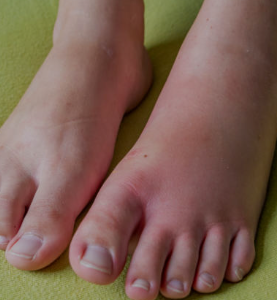
6. Swelling in the Legs, Ankles, or Feet
Swelling in the lower body may sometimes occur when the heart cannot circulate blood effectively.
Fluid buildup can cause:
- Swollen ankles
- Puffy feet
- Tight shoes
- Leg heaviness
Although swelling can have many causes, persistent or worsening swelling should be discussed with a healthcare professional.
7. Pain in the Arm, Jaw, Neck, or Back
Heart-related discomfort does not always stay in the chest.
Some people experience pain or pressure in areas such as:
- Left arm
- Both arms
- Jaw
- Neck
- Upper back
- Shoulders
This can occur during a heart attack and may happen with or without strong chest pain.
8. Sweating Without a Clear Reason
Cold sweating, especially when combined with chest discomfort, nausea, or shortness of breath, can be a warning sign of a serious heart problem.
Unexpected sweating during rest or mild activity deserves attention if it is unusual for you.
9. Nausea or Digestive-Like Symptoms
Heart problems can sometimes feel like digestive issues.
Possible symptoms include:
- Nausea
- Indigestion-like discomfort
- Stomach pressure
- Vomiting
This is especially important in older adults and some people who may not experience typical chest pain during a heart attack.
10. Reduced Exercise Ability
A noticeable decline in your ability to perform activities you previously handled easily may indicate a change in heart function.
Examples include:
- Becoming tired while walking familiar distances
- Needing more breaks than usual
- Feeling breathless during normal activities
A gradual decline should still be discussed with a healthcare provider.
Heart Attack Warning Signs
A heart attack occurs when blood flow to part of the heart muscle becomes blocked.
Possible warning signs include:
- Chest pressure or discomfort
- Pain spreading to the arm, jaw, or back
- Shortness of breath
- Cold sweating
- Nausea
- Sudden weakness
- Feeling of extreme anxiety
Symptoms can vary, and some people may have mild or unusual signs.
What To Do During Possible Heart Attack Symptoms
If you believe you may be having a heart attack:
- Call emergency services immediately.
- Do not drive yourself to the hospital.
- Follow emergency instructions from medical professionals.
Quick treatment can reduce heart damage and improve outcomes.
How to Support Long-Term Heart Health
While some heart risks cannot be changed, many daily habits can help protect cardiovascular health.
Eat a Heart-Friendly Diet
Focus on:
- Vegetables and fruits
- Whole grains
- Lean proteins
- Beans and legumes
- Nuts and seeds
- Healthy fats
Limit:
- Excess salt
- Highly processed foods
- Added sugars
- Unhealthy fats
Stay Active
Regular physical activity helps support:
- Heart strength
- Healthy blood pressure
- Better circulation
- Weight management
Choose activities appropriate for your health level.
Control Blood Pressure and Cholesterol
High blood pressure and high cholesterol can silently damage arteries over time. Regular checkups can help detect and manage these conditions.
Avoid Smoking
Smoking is one of the strongest preventable risk factors for heart disease.
Manage Stress
Long-term stress may affect heart health. Relaxation techniques, hobbies, social connections, and adequate sleep can support overall wellness.
When Should You See a Doctor?
Schedule a medical appointment if you notice:
- New chest discomfort
- Unexplained fatigue
- Changes in exercise ability
- Frequent palpitations
- Persistent swelling
- Repeated dizziness
Early evaluation can help identify problems before they become more serious.
Frequently Asked Questions
Can heart problems develop without symptoms?
Yes. Some heart conditions may develop silently, which is why regular health checks are important, especially for people with risk factors.
Is every episode of chest pain a heart attack?
No. Chest pain can have many causes. However, new or severe chest discomfort should always be taken seriously.
Are heart symptoms different in older adults?
Older adults may experience less typical symptoms, such as fatigue, weakness, or shortness of breath instead of obvious chest pain.
Can lifestyle changes improve heart health?
Yes. Healthy eating, regular activity, avoiding smoking, and managing health conditions can significantly support cardiovascular health.
Final Thoughts
Your body often provides warning signs when something is wrong. Symptoms such as chest pressure, unexplained shortness of breath, unusual fatigue, irregular heartbeat, dizziness, or swelling should not be ignored.
Recognizing possible heart warning signs and seeking timely medical advice can make a major difference. Protecting your heart involves more than responding to symptoms—it also includes regular checkups, healthy daily habits, and managing conditions that increase cardiovascular risk.
If you notice changes in how you feel or function, especially symptoms involving your heart, discuss them with a healthcare professional.
