
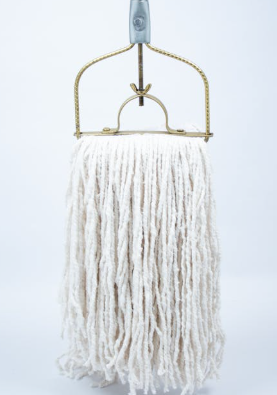
How to Clean a Dirty Mop: One Simple Ingredient Makes It Look Like New
The Easy Way to Restore Your Mop and Keep Your Floors Truly Clean
A mop is one of the most essential cleaning tools in any home, but it often gets overlooked when it comes to regular maintenance. While you may use your mop to remove dirt, dust, and spills from your floors, a dirty mop can quickly become a breeding ground for bacteria, unpleasant odors, and grime. Instead of cleaning your home, an unwashed mop may simply spread germs from one room to another.
The good news is that restoring a dirty mop doesn’t require expensive cleaning products or complicated techniques. In fact, one simple household ingredient—white vinegar—can help remove odors, loosen dirt, kill many common germs, and make your mop look and smell much fresher.
In this guide, you’ll learn why mop cleaning is important, how white vinegar works, step-by-step instructions for cleaning different mop types, additional maintenance tips, and common mistakes to avoid.
Why You Should Clean Your Mop Regularly
Many people focus on cleaning floors but forget that the mop itself also needs attention. Every time you mop, the fibers collect:
- Dust
- Mud
- Grease
- Food residue
- Pet hair
- Bacteria
- Cleaning product buildup
If left dirty, these contaminants remain trapped inside the mop head.
Using the same dirty mop repeatedly can lead to:
- Streaky floors
- Unpleasant smells
- Mold growth
- Reduced cleaning performance
- Shorter mop lifespan
Cleaning your mop after each use helps maintain a cleaner home and ensures your floors stay fresh.
The One Simple Ingredient That Works Wonders
One of the easiest and most affordable ways to clean a dirty mop is with white distilled vinegar.
White vinegar contains mild acetic acid, which helps:
- Break down soap residue
- Dissolve mineral deposits
- Remove unpleasant odors
- Loosen dirt trapped in mop fibers
- Reduce many common household bacteria
It’s inexpensive, widely available, and suitable for routine mop maintenance when used correctly.
Supplies You’ll Need
Before you begin, gather these simple items:
- White distilled vinegar
- Hot (not boiling) water
- A large bucket or sink
- Mild dish soap
- Rubber gloves (optional)
- Soft brush or old toothbrush
- Clean towels
- Washing machine (for machine-washable mop heads)
Step 1: Remove Loose Dirt
Before soaking your mop, shake it outdoors or over a trash can to remove:
- Hair
- Dust
- Loose debris
- Pet fur
This prevents excess dirt from settling into your cleaning solution.
Step 2: Prepare the Vinegar Solution
Fill a bucket or sink with hot water.
Add:
- 1 cup white vinegar
- A few drops of mild dish soap (optional for greasy buildup)
Mix gently.
The warm water helps soften grime while the vinegar works to loosen buildup and neutralize odors.
Step 3: Soak the Mop
Place the mop head completely into the solution.
Allow it to soak for:
30 to 60 minutes
If the mop is especially dirty, let it soak a little longer.
During this time, the vinegar helps break down residue trapped inside the fibers.
Step 4: Scrub Stubborn Dirt
After soaking, inspect the mop.
If you notice dark stains or stubborn grime:
- Use a soft brush
- Gently scrub the fibers
- Pay extra attention to heavily soiled areas
Avoid using metal brushes, as they may damage microfiber or cotton fibers.
Step 5: Rinse Thoroughly
Rinse the mop under clean running water until all soap and vinegar are removed.
Continue rinsing until the water runs clear.
Any leftover cleaning solution can leave residue on your floors.
Step 6: Dry the Mop Properly
Proper drying is one of the most important steps.
After rinsing:
- Wring out excess water.
- Hang the mop upside down or in a well-ventilated area.
- Allow it to air-dry completely before storing.
Never store a damp mop in a closed bucket or cabinet, as this encourages mold and mildew growth.
Cleaning Different Types of Mops
Cotton String Mops
Cotton mops absorb a lot of dirt and moisture.
For best results:
- Soak in the vinegar solution.
- Rinse thoroughly.
- Air-dry completely.
Some removable cotton mop heads can also be machine washed. Always check the manufacturer’s care instructions first.
Microfiber Mops
Microfiber attracts fine dust and debris very effectively.
To clean:
- Wash with mild detergent.
- Avoid fabric softener, as it can reduce the fibers’ ability to trap dirt.
- Air-dry or tumble dry on low heat if the care label allows.
Sponge Mops
Sponge mops can trap moisture inside the sponge.
Clean by:
- Soaking in the vinegar solution.
- Gently squeezing out dirt.
- Rinsing well.
- Drying with the sponge fully extended, if possible.
Replace the sponge if it becomes cracked or starts to deteriorate.
Spray Mops
For reusable spray mop pads:
- Remove the pad.
- Wash according to the care instructions.
- Clean the spray bottle periodically with warm water to prevent buildup.
How Often Should You Clean Your Mop?
A quick rinse after each use is a good habit, but deeper cleaning should be done regularly.
A general guideline:
- Rinse after every use.
- Deep-clean weekly if you mop frequently.
- Wash removable mop heads according to the manufacturer’s recommendations.
If your mop develops a persistent odor or remains stained after cleaning, it may be time to replace the mop head.
Signs Your Mop Needs Cleaning
Your mop likely needs attention if you notice:
- A musty smell
- Dark or discolored fibers
- Sticky residue
- Reduced absorbency
- Dirt left behind after mopping
Cleaning the mop promptly helps restore its performance.
Tips to Keep Your Mop Cleaner for Longer
A few simple habits can extend the life of your mop:
- Vacuum or sweep before mopping.
- Change the cleaning water when it becomes dirty.
- Avoid leaving the mop soaking overnight.
- Store it in a dry, ventilated area.
- Clean spills promptly to prevent heavy buildup.
These steps reduce the amount of dirt your mop collects.
Common Mistakes to Avoid
Storing a Wet Mop
Moisture encourages mold and unpleasant odors.
Always allow the mop to dry completely.
Using Too Much Detergent
Excess soap can leave residue in the fibers, making the mop less effective.
Use only a small amount of detergent if needed.
Skipping Regular Cleaning
Even if the mop doesn’t look dirty, invisible bacteria and residue can accumulate over time.
Routine maintenance helps keep it hygienic.
Ignoring Manufacturer Instructions
Some mop heads are machine washable, while others require hand washing.
Following the care instructions helps prevent damage.
Natural Alternatives to Vinegar
If you prefer not to use vinegar, you can try other household cleaning options that may help with routine maintenance, such as a small amount of baking soda for odor control or a mild detergent for greasy residue. Choose a method that’s appropriate for your mop’s material and follow the manufacturer’s care guidance.
Frequently Asked Questions
Can I Use Bleach Instead of Vinegar?
Bleach can disinfect certain mop heads, but it may damage some materials and fade colors. Check the manufacturer’s instructions before using bleach, and never mix bleach with vinegar or other acidic cleaners.
Does Vinegar Remove Bad Smells?
Yes. White vinegar is well known for helping neutralize many common household odors trapped in mop fibers.
Can I Machine Wash My Mop Head?
Many removable microfiber and cotton mop heads are machine washable.
Always check the care label before washing.
How Long Does a Mop Last?
The lifespan depends on the type of mop and how often it is used. With proper care, many reusable mop heads can last for months before needing replacement.
Should I Replace a Dirty Mop?
If the mop head remains damaged, has persistent odors that don’t improve with cleaning, or no longer cleans effectively, replacing it is usually the best option.
Final Thoughts
Keeping your mop clean is just as important as cleaning your floors. A well-maintained mop helps remove dirt more effectively, reduces unpleasant odors, and contributes to a fresher home.
Using white vinegar as part of a regular cleaning routine is a simple, affordable way to loosen grime, reduce odors, and refresh many types of reusable mop heads. Combined with thorough rinsing, proper drying, and regular maintenance, this easy method can help your mop stay in good condition and ready for the next cleaning session.
By caring for your mop after each use and giving it a deeper clean on a regular basis, you’ll enjoy cleaner floors, a longer-lasting cleaning tool, and a more hygienic home overall.
