
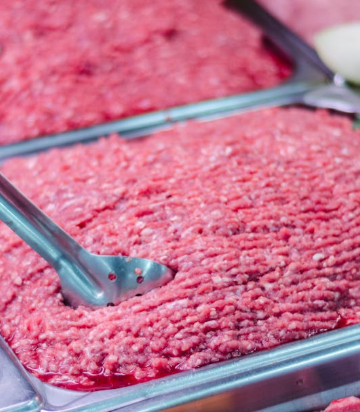
The Truth About Supermarket Meat: Facts Consumers Should Know
Walking through the meat section of a supermarket can feel overwhelming. Labels such as “grass-fed,” “organic,” “natural,” “free-range,” and “premium quality” compete for attention, while questions about freshness, safety, nutrition, and processing often leave shoppers uncertain.
The truth is that supermarket meat is not automatically unhealthy or unsafe. However, understanding how meat is produced, labeled, stored, and handled can help consumers make better choices. Knowing what labels really mean, how to identify quality meat, and how to store it safely can make grocery shopping easier and more informed.
This guide explores important facts about supermarket meat that every consumer should know.
1. Supermarket Meat Goes Through Safety Inspections
One common concern is whether meat sold in supermarkets is safe to eat.
In many countries, commercially sold meat must pass government-regulated safety inspections before reaching consumers. These inspections are designed to reduce the risk of contaminated products entering the food supply.
Safety checks may include:
- Animal health inspections
- Processing facility standards
- Temperature control requirements
- Food safety monitoring
However, inspection does not mean meat is completely free from bacteria. Proper handling, cooking, and storage remain essential.
2. Fresh-Looking Meat Does Not Always Mean Higher Quality
Many shoppers judge meat quality by appearance alone, especially color.
For example:
- Bright red beef is often associated with freshness.
- Pink poultry may appear more appealing.
- Darker meat may seem older.
However, color can be influenced by several factors, including:
- Exposure to oxygen
- Packaging methods
- Lighting in display cases
- Natural differences between animals
Appearance is only one factor. Always check:
- Expiration or use-by dates
- Packaging condition
- Storage temperature
- Odor after opening
3. “Natural” Meat Labels Can Be Misleading
The word “natural” sounds healthy, but it has a specific meaning that may not match consumer expectations.
In many labeling systems, “natural” generally refers to meat that has not been significantly altered and does not contain certain artificial ingredients.
It does not necessarily mean:
- Antibiotic-free
- Hormone-free
- Organic
- Raised without environmental concerns
Always read the full label rather than relying on a single marketing term.
4. Organic Meat Has Specific Requirements
Organic meat generally comes from animals raised according to regulated organic standards.
Depending on the country and certification system, requirements may include:
- Organic feed
- Restrictions on certain medications
- Specific animal management practices
However, organic does not automatically mean:
- More nutritious in every way
- Safer than all conventional meat
- Free from bacteria
Food safety depends heavily on handling, storage, and preparation.
5. Grass-Fed and Grain-Fed Meat Are Different
One of the biggest marketing differences consumers encounter is grass-fed versus grain-fed beef.
Grass-Fed Meat
Grass-fed cattle primarily consume grass and forage.
Potential differences may include:
- Different fat composition
- Different flavor
- Different farming practices
Grain-Fed Meat
Grain-fed cattle are commonly finished on grain-based diets, which can influence:
- Marbling
- Tenderness
- Flavor
Neither label automatically determines whether meat is healthy. The best choice depends on personal preferences, budget, and dietary goals.
6. Processed Meat Deserves Special Attention
Processed meats include products that have been changed through methods such as:
- Curing
- Smoking
- Fermentation
- Adding preservatives
Examples include:
- Bacon
- Sausages
- Hot dogs
- Some deli meats
- Certain packaged meat products
Health organizations have linked frequent consumption of processed meats with increased health risks, particularly when eaten regularly over time.
Choosing fresh cuts of meat more often and limiting processed options can be a healthier approach.
7. “No Antibiotics” Labels Require Understanding
Antibiotic-related labels can be confusing.
Meat labeled as raised without antibiotics generally means animals were not given antibiotics during production according to specific certification requirements.
However:
- All approved meat products must meet safety standards.
- Antibiotic residues are regulated.
- “No antibiotics” does not automatically mean the meat is nutritionally superior.
Consumers should understand that the label describes production practices, not necessarily overall quality.
8. Meat Packaging Methods Affect Appearance
Modern supermarkets use different packaging technologies to keep meat fresh and appealing.
Common methods include:
Vacuum Packaging
Air is removed from the package, helping slow spoilage.
Modified Atmosphere Packaging
A controlled mixture of gases is used to maintain appearance and extend shelf life.
Packaging can affect:
- Color
- Texture
- Storage time
A change in color after opening does not always mean meat has spoiled.
9. The Price of Meat Does Not Always Reflect Safety
Higher-priced meat may reflect factors such as:
- Farming methods
- Certification costs
- Brand reputation
- Production practices
- Marketing
However, expensive meat is not automatically safer than less expensive options.
Consumers can make safe choices at any price point by focusing on:
- Proper storage
- Freshness
- Cooking temperature
- Food handling
10. Ground Meat Requires Extra Care
Ground meat has more surface area exposed during processing, which means bacteria can be distributed throughout the product.
Important safety practices include:
- Keep ground meat refrigerated.
- Cook it thoroughly.
- Avoid eating undercooked ground meat.
- Prevent contact between raw meat and ready-to-eat foods.
Ground beef, turkey, chicken, and other ground meats require careful handling.
11. Freezing Meat Does Not Ruin Its Nutrition
Some people avoid frozen meat because they believe it is lower quality.
Freezing generally helps preserve meat by slowing bacterial growth.
Properly frozen meat can maintain:
- Protein content
- Minerals
- Most nutritional value
The main changes after freezing may involve texture, especially if meat is frozen and thawed improperly.
12. “Sell By” and “Use By” Dates Are Different
Understanding package dates can reduce unnecessary food waste.
Sell-By Date
This helps stores manage inventory. It is not necessarily the date food becomes unsafe.
Use-By Date
This is generally a recommendation for best quality and, in some cases, safety.
Always consider:
- How the meat was stored
- Whether packaging is damaged
- Signs of spoilage
13. How to Choose Better Meat at the Store
When shopping for meat, consider these tips:
Check Packaging
Avoid packages that are:
- Torn
- Leaking
- Bloated
- Damaged
Look for Proper Storage
Meat should be kept cold in refrigerated sections.
Consider the Cut
Some cuts are naturally leaner, while others contain more fat.
Buy According to Your Needs
Buying too much meat can increase waste if it is not used or frozen properly.
14. Safe Meat Storage Tips
Proper storage helps prevent foodborne illness.
Refrigeration
Store raw meat in the refrigerator at a safe temperature and use it within recommended time limits.
Separate Raw and Cooked Foods
Keep raw meat away from:
- Fresh produce
- Cooked meals
- Ready-to-eat foods
Wash Hands and Surfaces
Clean hands, cutting boards, and utensils after handling raw meat.
15. Cooking Meat Safely Matters Most
Even high-quality meat can become unsafe if improperly cooked.
Use a food thermometer to check that meat reaches a safe internal temperature.
Important habits include:
- Avoid relying only on color.
- Prevent cross-contamination.
- Refrigerate leftovers promptly.
- Reheat leftovers properly.
Cooking practices play a major role in food safety.
Common Myths About Supermarket Meat
Myth: All supermarket meat contains harmful chemicals.
Reality: Meat production is regulated, and approved products must meet safety requirements.
Myth: Frozen meat is always lower quality.
Reality: Properly frozen meat can maintain nutritional value and safety.
Myth: Organic meat cannot contain bacteria.
Reality: All raw meat requires proper handling and cooking, regardless of production method.
Myth: Expensive meat is always healthier.
Reality: Price does not automatically determine nutritional quality or safety.
Frequently Asked Questions
Is supermarket meat safe to eat?
Yes, when purchased from reputable sources and handled and cooked properly. Food safety depends on the entire process, from production to preparation.
Should I avoid processed meat completely?
Many health experts recommend limiting processed meat consumption rather than necessarily eliminating it entirely.
Is organic meat healthier than regular meat?
Organic meat may differ in production methods, but whether it is healthier depends on individual dietary patterns and preferences.
How can I tell if meat has gone bad?
Signs of spoilage may include unpleasant odor, slimy texture, damaged packaging, or unusual appearance. When in doubt, it is safest to discard questionable meat.
Final Thoughts
Supermarket meat is surrounded by many myths, but understanding the facts can help consumers make confident choices. Labels, packaging, price, and appearance all provide information—but none tell the entire story.
The most important factors are choosing meat that fits your needs, storing it correctly, and preparing it safely. Whether you buy conventional, organic, grass-fed, or another type of meat, good food safety habits are what make the biggest difference.
