
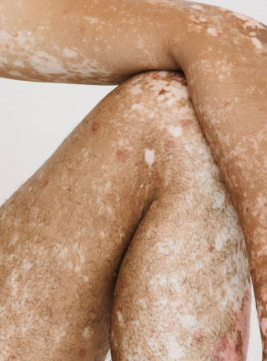
Small White Spots on Arms and Legs: Common Causes and What They Mean
Small white spots on the arms and legs are a common skin concern that many people notice at some point in their lives. These spots can appear suddenly or develop gradually, and they may vary in size, shape, texture, and number.
In many cases, small white spots are harmless and related to normal skin changes, sun exposure, aging, or minor skin conditions. However, sometimes they can be a sign of an underlying skin disorder that may require evaluation by a healthcare professional.
Understanding the possible causes can help you recognize what these spots may mean and when it is important to seek medical advice.
What Do White Spots on the Skin Mean?
White spots occur when an area of skin has less pigment than the surrounding skin. The pigment responsible for skin color is called melanin, which is produced by specialized cells called melanocytes.
A decrease in melanin production, damage to pigment-producing cells, or changes in the skin surface can all contribute to lighter patches.
White spots may appear as:
- Tiny dots
- Flat patches
- Scaly areas
- Smooth spots
- Larger irregular patches
The appearance and accompanying symptoms often provide clues about the possible cause.
1. Sun-Related White Spots (Idiopathic Guttate Hypomelanosis)
One of the most common causes of small white spots on the arms and legs is a condition called idiopathic guttate hypomelanosis (IGH).
These spots are usually:
- Small (often a few millimeters)
- Round or oval
- Smooth
- Flat
- More noticeable after sun exposure
They commonly appear on areas that receive frequent sunlight, including:
- Forearms
- Shins
- Hands
- Shoulders
Why Do They Occur?
The exact cause is not fully understood, but they are often associated with:
- Aging
- Long-term sun exposure
- Natural changes in pigment production
IGH is generally harmless and does not usually require treatment.
Can They Be Prevented?
Helpful sun protection habits may reduce additional skin damage:
- Wearing sunscreen
- Using protective clothing
- Avoiding excessive sun exposure
2. Vitiligo
Vitiligo is a condition in which the immune system mistakenly affects melanocytes, the cells responsible for producing skin pigment.
It can cause:
- Bright white patches
- Clearly defined borders
- Symmetrical areas of pigment loss
Vitiligo may appear anywhere on the body, including:
- Hands
- Arms
- Legs
- Face
- Around the eyes
- Around the mouth
Unlike small sun-related spots, vitiligo patches are often larger and more noticeable.
When to See a Doctor
If white patches are:
- Spreading quickly
- Increasing in number
- Appearing on multiple areas
- Associated with changes in hair color
a dermatologist can help determine the cause and discuss management options.
3. Tinea Versicolor (A Fungal Skin Condition)
Tinea versicolor is a common skin condition caused by an overgrowth of a type of yeast that naturally lives on the skin.
It can cause:
- Light-colored patches
- Mild scaling
- Slight itching
- Uneven skin tone
These patches often appear on:
- Chest
- Back
- Shoulders
- Upper arms
Although it can occur on the limbs, it is more common on the upper body.
The spots may become more noticeable after sun exposure because surrounding skin darkens while affected areas do not tan as easily.
Treatment usually involves antifungal medications recommended by a healthcare professional.
4. Dry Skin and Eczema
Dry skin can sometimes create lighter-looking areas, especially when the skin becomes rough or flaky.
Conditions such as eczema may cause:
- Pale patches
- Dryness
- Itching
- Redness
- Irritation
This is especially common in children but can affect adults as well.
Moisturizing regularly and avoiding harsh skin products may help improve mild dryness-related changes.
5. Post-Inflammatory Hypopigmentation
After the skin heals from irritation, injury, or inflammation, it may temporarily produce less pigment.
This is known as post-inflammatory hypopigmentation.
It may occur after:
- Rashes
- Scratches
- Burns
- Insect bites
- Skin infections
- Certain treatments
The lighter areas often gradually improve as the skin recovers.
6. Pityriasis Alba
Pityriasis alba is a mild skin condition that commonly affects children and teenagers but can also occur in adults.
It often appears as:
- Light-colored patches
- Slightly dry or flaky areas
- Less sharply defined borders
Common locations include:
- Face
- Arms
- Legs
The exact cause is not completely known, but dryness and mild inflammation may contribute.
Moisturizers and gentle skincare often help improve the appearance over time.
7. Scars or Previous Skin Injuries
Old scars may appear lighter than surrounding skin because scar tissue may not produce pigment in the same way as normal skin.
White spots may remain after:
- Cuts
- Surgery
- Burns
- Severe acne
- Other injuries
These marks are usually harmless.
8. Nutritional Factors and Skin Changes
Certain nutritional deficiencies can affect skin health, although they are not the most common cause of small white spots.
Nutrients involved in healthy skin function include:
- Vitamin B12
- Vitamin D
- Copper
- Zinc
If pigment changes occur along with other symptoms such as fatigue, weakness, or unusual skin changes, a healthcare provider can help determine whether nutritional factors may be involved.
9. Milia and Other Small White Bumps
Not all white spots are pigment changes. Some may actually be tiny raised bumps.
Milia are small, white, pearl-like bumps caused by trapped keratin beneath the skin.
They commonly appear on:
- Face
- Eyelids
- Cheeks
They are less commonly found on arms and legs but can occur.
Unlike pigment-related spots, milia are raised rather than flat.
When Should You See a Dermatologist?
Many white spots are harmless, but medical evaluation is recommended if you notice:
- Rapid spreading of white patches
- Large areas of pigment loss
- New spots appearing suddenly
- Itching, pain, swelling, or bleeding
- Changes in texture
- Hair turning white within affected areas
- Signs of infection
A dermatologist can examine the skin and may use special tools to determine the cause.
How Are White Spots Diagnosed?
A healthcare professional may evaluate:
- The size and shape of spots
- Skin texture
- Location on the body
- Timeline of appearance
- Other symptoms
Possible diagnostic methods include:
Physical Examination
Many conditions can be identified by examining the skin.
Wood’s Lamp Examination
A special ultraviolet light may help highlight certain pigment changes or infections.
Skin Tests
In some cases, additional tests may be needed to confirm a diagnosis.
Can Small White Spots Be Prevented?
Not all causes of white spots can be prevented, but healthy skin habits can help.
Protect Your Skin From the Sun
Use:
- Broad-spectrum sunscreen
- Protective clothing
- Shade during intense sunlight
Keep Skin Moisturized
Regular moisturizing helps protect the skin barrier and reduce dryness.
Avoid Harsh Skin Products
Strong soaps and irritating products may worsen dryness or inflammation.
Treat Skin Conditions Early
Managing eczema, infections, and inflammation may reduce the chance of lasting pigment changes.
Treatment Options for White Spots
Treatment depends on the underlying cause.
Possible approaches include:
No Treatment
Many harmless conditions, such as idiopathic guttate hypomelanosis, do not require treatment.
Moisturizers
Helpful for dryness-related conditions.
Antifungal Treatments
Used for fungal causes such as tinea versicolor.
Prescription Creams
Some pigment disorders may be treated with medications recommended by a dermatologist.
Light-Based Treatments
Certain conditions involving pigment loss may be managed with specialized light therapy.
Frequently Asked Questions
Are small white spots on arms and legs dangerous?
Most small white spots are harmless, especially if they are stable and do not cause symptoms. However, new or spreading spots should be evaluated.
Do white spots mean a vitamin deficiency?
Sometimes nutritional issues can affect skin health, but white spots are more commonly caused by pigment changes, sun exposure, infections, or skin conditions.
Can white spots go away naturally?
Some white spots fade over time, while others remain permanently. The outcome depends on the underlying cause.
Are white spots caused by sun damage?
Some types of small white spots, such as idiopathic guttate hypomelanosis, are associated with long-term sun exposure.
Should I use bleaching creams or home remedies?
It is best to avoid unproven treatments without understanding the cause. Some products may irritate the skin or worsen pigment changes.
Final Thoughts
Small white spots on the arms and legs can develop for many reasons, from harmless age-related pigment changes to conditions such as vitiligo, fungal infections, or dry skin.
The appearance, location, and symptoms of the spots often provide important clues. While many cases do not require treatment, changes that spread, appear suddenly, or cause discomfort should be checked by a healthcare professional.
Protecting your skin from excessive sun exposure, maintaining good skincare habits, and paying attention to changes can help support healthy skin throughout life.
