
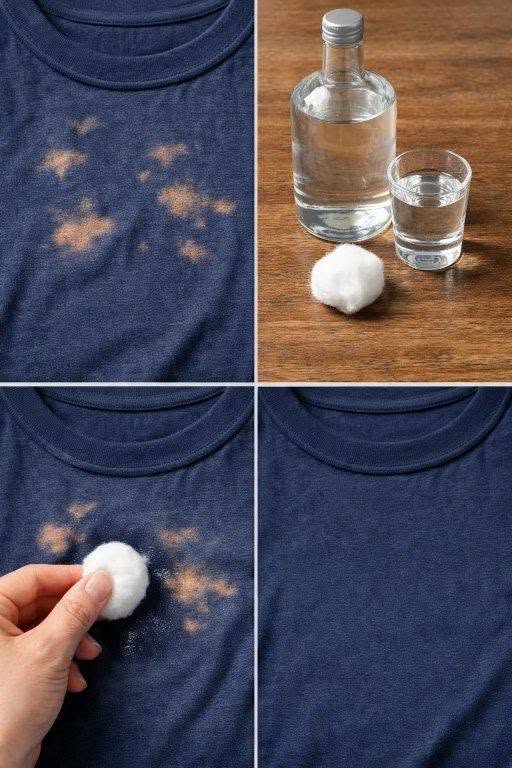
How to Fix Bleach Stains on Clothes: Simple Methods That May Help
Introduction
Few laundry mishaps are as frustrating as discovering a bleach stain on your favorite shirt, pair of jeans, or dress. Whether it happens while cleaning the bathroom, doing laundry, or using household disinfectants, bleach can leave behind faded or discolored spots that seem impossible to repair.
The good news is that while bleach permanently removes color from fabric, a stained garment isn’t always beyond saving. Depending on the size, location, and type of fabric, there are several creative ways to reduce the appearance of bleach stains or give your clothing a fresh new look.
This guide explains what bleach actually does to fabric, why bleach stains occur, and practical methods that may help restore or creatively refresh damaged clothing.
Why Does Bleach Leave Stains?
Unlike many household stains, bleach doesn’t add color to fabric—it removes it.
Bleach contains chemicals that break down dyes within clothing fibers. Once the original color has been removed, the fabric may appear:
- White
- Yellow
- Orange
- Pink
- Pale brown
The exact color depends on the original fabric dye.
Because the dye has been altered, bleach marks are technically color loss rather than traditional stains.
Can Bleach Stains Be Removed?
In most cases, bleach stains cannot be completely removed because the original dye has already been stripped from the fabric.
However, you can often improve the garment’s appearance by:
- Recoloring the affected area
- Dyeing the entire garment
- Using fabric markers
- Applying decorative patches
- Creating intentional tie-dye effects
- Adding embroidery or embellishments
Many clothing items can still be worn after a little creativity.
Step 1: Stop the Bleaching Process
If the bleach spill is fresh, act quickly.
Rinse Immediately
Hold the fabric under cool running water for several minutes.
This helps remove any remaining bleach before it affects additional fibers.
Avoid using hot water, which may speed up chemical reactions in some situations.
Step 2: Neutralize Remaining Bleach
After rinsing, gently wash the area with mild laundry detergent.
Some people also use a fabric-safe bleach neutralizer designed for laundry.
Follow the product instructions carefully if using one.
Method 1: Use a Fabric Marker
One of the simplest ways to reduce the appearance of small bleach spots is by using a fabric marker.
Best For
- Small dots
- Tiny splashes
- Dark-colored clothing
How to Do It
- Choose a marker that closely matches the fabric color.
- Test it on an inside seam first.
- Carefully color the faded area.
- Allow it to dry completely.
This method works especially well for black, navy, and dark gray garments.
Method 2: Apply Fabric Dye
If bleach damage covers a larger area, dyeing the entire garment may produce the most even result.
Suitable Fabrics
- Cotton
- Linen
- Rayon
- Some blends
Synthetic fabrics may require specialty dyes.
Basic Steps
- Wash the garment.
- Prepare the dye according to package directions.
- Dye the garment evenly.
- Rinse thoroughly.
- Wash separately the first few times.
A darker dye often covers bleach marks more effectively than a lighter one.
Method 3: Try Fabric Paint
Fabric paint offers another creative solution.
You can:
- Paint over small spots
- Add decorative patterns
- Create artistic designs
- Cover isolated bleach marks
This option works well for casual clothing and children’s garments.
Method 4: Create a Tie-Dye Look
If multiple bleach spots are present, consider turning the damage into a design feature.
Tie-dye techniques can create a stylish, intentional appearance.
This approach is especially popular for:
- T-shirts
- Hoodies
- Sweatshirts
- Denim
Method 5: Add Decorative Patches
Decorative patches can easily hide bleach damage.
Popular choices include:
- Flowers
- Stars
- Hearts
- Animals
- Letters
- Vintage patches
Iron-on or sew-on patches both work well.
Method 6: Embroidery
Embroidery is another attractive way to cover bleach spots.
Simple designs include:
- Small flowers
- Leaves
- Initials
- Geometric shapes
- Butterflies
Hand embroidery adds a personalized touch to clothing.
Method 7: Use Iron-On Transfers
Iron-on designs can completely disguise damaged areas.
Available styles include:
- Floral artwork
- Inspirational quotes
- Cartoon graphics
- Nature themes
- Abstract art
Follow the manufacturer’s instructions for the best results.
Method 8: Recolor With Permanent Fabric Dye Pens
Fabric dye pens provide more permanent color than standard markers.
They work well for:
- Tiny bleach spots
- Shirt collars
- Sleeve edges
- Small splashes
Take your time to blend the color naturally.
Method 9: Turn It Into a Fashion Statement
Many clothing brands intentionally create bleached or distressed looks.
Rather than hiding the spots, you can:
- Add additional bleach patterns (carefully and intentionally)
- Distress the fabric
- Combine with patches
- Customize with paint
The result can be a completely unique garment.
Tips for Different Fabric Types
Cotton
Cotton responds well to fabric dyes and markers.
Denim
Denim can often be successfully dyed or decorated.
Polyester
Polyester may require specialized dyes designed for synthetic fabrics.
Wool
Use caution, as some repair methods may not be suitable.
Silk
Silk is delicate and may benefit from professional repair.
How to Prevent Future Bleach Stains
Prevention is often easier than repair.
Wear Old Clothing
When cleaning with bleach, choose garments you don’t mind damaging.
Dilute Bleach Properly
Follow product instructions carefully.
Use Protective Gloves
Gloves help reduce accidental spills while handling bleach.
Store Bleach Safely
Keep bleach containers tightly closed and upright.
Avoid Splashing
Pour bleach slowly and carefully.
Wash Hands After Handling Bleach
This helps prevent transferring bleach to clothing later.
Common Mistakes to Avoid
Waiting Too Long
Fresh bleach spills are easier to manage than dried ones.
Using Regular Markers
Only use products designed specifically for fabric.
Ignoring Fabric Type
Different materials respond differently to dyes and paints.
Applying Too Much Dye
Build color gradually for a more natural appearance.
Frequently Asked Questions
Can bleach stains disappear after washing?
No. Washing cannot restore dye that has already been removed.
Can professional cleaners repair bleach stains?
Professional cleaners may improve appearance in some cases, but complete restoration is often not possible.
Does vinegar restore bleach damage?
No. Vinegar cannot replace lost fabric dye.
Are fabric markers permanent?
Many fabric markers become more durable after heat-setting according to the manufacturer’s instructions.
Can I dye the entire garment?
Yes. Whole-garment dyeing is often one of the most effective ways to reduce the visibility of bleach damage.
When Replacement May Be the Best Option
Sometimes replacement is the most practical choice.
Consider replacing the garment if:
- Bleach damage is extensive.
- The fabric has weakened.
- The stain covers a very large area.
- Repair would cost more than replacement.
For sentimental or high-quality items, professional textile restoration may still be worth exploring.
Conclusion
Bleach stains can be disappointing, but they don’t always mean your clothing has to be thrown away. Although bleach permanently removes fabric dye, there are many creative ways to reduce the appearance of discoloration or transform damaged clothing into something stylish and unique.
From fabric markers and dyes to embroidery, patches, and artistic designs, the right solution depends on the type of fabric and the extent of the damage. Acting quickly after a fresh bleach spill and choosing an appropriate repair method can often help extend the life of your favorite garments.
With a little creativity and the right approach, many bleach-damaged clothes can be refreshed, personalized, and enjoyed for much longer.
