
How Baking Soda Is Used in Simple Skin Care Routines
Baking soda is a common household ingredient found in many kitchens, but some people also use it as part of simple skin care routines. Known scientifically as sodium bicarbonate, baking soda has been used in traditional home remedies for its mild cleansing properties and ability to absorb odors.
From homemade scrubs to occasional cleansing methods, baking soda has gained popularity among people looking for affordable skin care options. However, because skin is sensitive and its natural protective barrier is important, it is essential to understand how baking soda works, how it may affect the skin, and how to use it safely.
While baking soda may have some cosmetic uses, it is not suitable for everyone and should not replace proven treatments for skin conditions.
What Is Baking Soda?
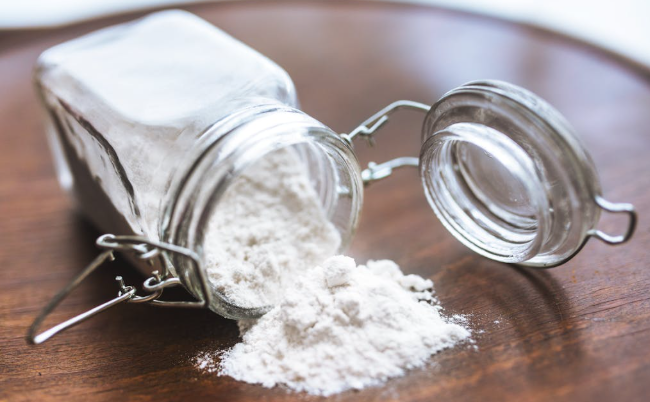
Baking soda is a fine white powder commonly used in cooking, cleaning, and personal care practices.
Its main ingredient, sodium bicarbonate, is mildly alkaline. This means it can affect the acidity level of substances it comes into contact with, including the skin.
Healthy skin naturally has a slightly acidic surface known as the skin barrier or acid mantle. This protective layer helps:
- Keep moisture inside the skin
- Protect against environmental irritants
- Support the skin’s natural balance
Because baking soda is alkaline, frequent or improper use may disrupt this balance in some people.
Common Ways People Use Baking Soda for Skin Care
1. Gentle Exfoliation
One of the most popular uses of baking soda in skin care is as a physical exfoliant.
The fine texture of baking soda particles may help remove surface-level dead skin cells when gently applied.
Some people use it to help improve the appearance of:
- Rough skin texture
- Dry patches
- Dull-looking skin
However, scrubbing too aggressively can cause irritation, redness, or damage to the skin barrier.
Safer Exfoliation Tips
If someone chooses to use baking soda as an occasional exfoliant:
- Avoid harsh rubbing
- Use only a small amount
- Do not apply it daily
- Stop if irritation occurs
People with sensitive skin may prefer gentler exfoliating products designed specifically for facial use.
2. Foot Care
Baking soda is often used in home foot care routines.
A baking soda soak may help:
- Soften rough skin
- Reduce unpleasant odors
- Provide a relaxing foot-care experience
Many people add a small amount of baking soda to warm water for a foot soak.
However, it does not treat medical foot conditions such as fungal infections, severe cracking, or skin disorders.
If you have persistent itching, pain, or changes in the skin of your feet, it is best to seek professional advice.
3. Body Odor and Skin Freshness
Because baking soda can absorb odors, some people use it in personal care routines.
It may help reduce unpleasant smells by affecting odor-causing compounds.
However, applying baking soda directly to areas with sensitive skin may cause irritation, especially after shaving or on broken skin.
4. Occasional Cleansing
Some people use baking soda as a homemade cleanser because of its ability to remove oils and residue.
However, the face has a delicate balance of oils and moisture. Using harsh or overly alkaline products may lead to:
- Dryness
- Tightness
- Irritation
- Increased sensitivity
A gentle cleanser made for facial skin is usually a better everyday option.
Can Baking Soda Help With Acne?
Baking soda is sometimes promoted as a home remedy for acne because of its cleansing and drying effects.
However, acne is a complex skin condition influenced by factors such as:
- Oil production
- Hormones
- Bacteria
- Inflammation
- Skin cell buildup
Baking soda does not treat the underlying causes of acne and may irritate the skin for some people.
Overuse may damage the skin barrier, potentially making skin more sensitive.
People with ongoing acne may benefit from dermatologist-recommended treatments that are supported by research.
Baking Soda and Skin Brightening Claims
Some people use baking soda hoping to brighten skin or reduce dark spots.
While exfoliation may temporarily make skin look smoother, baking soda does not remove pigmentation problems or permanently lighten skin.
Dark spots can have many causes, including:
- Sun exposure
- Aging
- Hormonal changes
- Previous skin inflammation
Using sunscreen and appropriate skin care products is generally more effective for supporting an even skin tone.
Possible Risks of Using Baking Soda on Skin
Although baking soda is common and inexpensive, it is not automatically safe for every skin type.
Potential concerns include:
Skin Irritation
Some people may experience:
- Burning
- Redness
- Itching
- Dryness
- Flaking
Disruption of the Skin Barrier
Frequent use may interfere with the skin’s natural protective function.
A damaged skin barrier can make the skin more vulnerable to irritation and dryness.
Increased Sensitivity
People with conditions such as eczema, rosacea, or very sensitive skin may be more likely to experience irritation.
How to Use Baking Soda More Carefully
If you decide to try baking soda in a skin care routine, consider these safety tips:
Perform a Patch Test
Apply a small amount to a small area of skin first and wait to see if irritation develops.
Avoid Daily Use
Baking soda should not be treated as a regular replacement for a gentle cleanser or moisturizer.
Avoid Broken or Irritated Skin
Do not apply baking soda to:
- Cuts
- Scratches
- Sunburned skin
- Active rashes
Moisturize Afterward
If baking soda leaves your skin feeling dry, using a suitable moisturizer may help restore comfort.
Natural Skin Care Alternatives
If you prefer simple skin care routines, there are many gentle options.
For Dry Skin
Consider:
- Moisturizers containing ingredients such as glycerin or ceramides
- Gentle cleansing
- Avoiding overly hot water
For Gentle Exfoliation
Options may include:
- Mild exfoliating products
- Products containing ingredients recommended for your skin type
- Soft washcloths used gently
For Healthy-Looking Skin
Helpful habits include:
- Wearing sunscreen
- Drinking enough water
- Eating a balanced diet
- Getting enough sleep
- Avoiding smoking
Who Should Avoid Baking Soda on Skin?
Baking soda may not be a good choice for everyone.
Extra caution is recommended for people with:
- Sensitive skin
- Eczema
- Rosacea
- Frequent skin irritation
- Open wounds
- Allergic reactions to personal care products
If you have a skin condition, ask a healthcare professional or dermatologist before trying home remedies.
Frequently Asked Questions
Is baking soda safe for facial skin?
Some people tolerate occasional use, but baking soda can irritate facial skin because it is alkaline and may disrupt the skin’s natural balance.
Can baking soda remove wrinkles?
No. Baking soda cannot remove wrinkles or reverse aging. Healthy skin aging depends on factors such as sun protection, genetics, and overall skin care.
Does baking soda clear dark spots?
Baking soda does not treat dark spots. Persistent pigmentation concerns are better addressed with proven skin care approaches.
How often can baking soda be used on skin?
There is no standard recommendation for regular skin use. Because irritation is possible, occasional use is safer than frequent application.
Final Thoughts
Baking soda is a simple household ingredient that some people include in homemade skin care routines for exfoliation, foot care, or odor control. However, its alkaline nature means it may not be suitable for frequent use, especially on sensitive skin.
Healthy skin depends on protecting the skin barrier, using gentle products, and following habits that support long-term skin health. If you experience ongoing irritation, acne, rashes, or other skin concerns, professional guidance can help you choose safer and more effective treatments.
A simple skin care routine does not need many ingredients—consistency, protection, and choosing products that match your skin’s needs are often the most important steps.
