
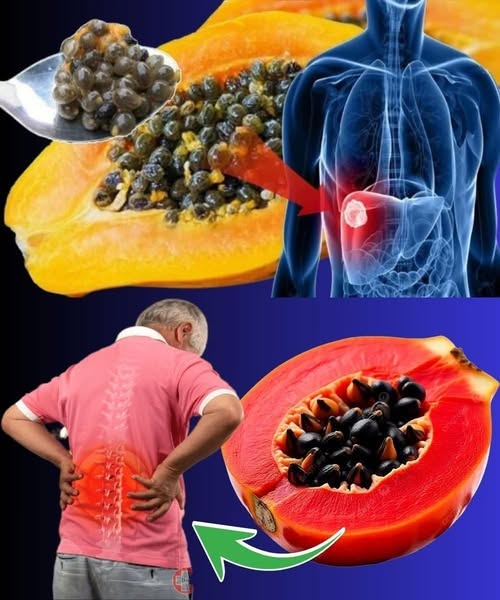
The Benefits and Uses of Papaya Seeds Explained
Papaya is well known for its sweet flavor, vibrant orange flesh, and impressive nutritional value. However, many people throw away the small black seeds inside the fruit without realizing they are edible and contain a variety of nutrients and plant compounds.
Papaya seeds have a peppery, slightly bitter taste and have been used in traditional food practices in various parts of the world. They contain fiber, healthy fats, antioxidants, and other naturally occurring compounds that have attracted scientific interest. While research is ongoing, it’s important to distinguish between evidence-based benefits and popular health claims that lack strong scientific support.
This article explores the nutritional profile of papaya seeds, their potential health benefits, practical uses, safety considerations, and ways to include them in a balanced diet.
What Are Papaya Seeds?
Papaya seeds are the small, round, black seeds found in the center of a ripe papaya. Each fruit can contain hundreds of seeds surrounded by a thin, gelatinous coating.
The seeds have a unique flavor that is often described as:
- Peppery
- Slightly bitter
- Mildly spicy
Because of their distinctive taste, they are sometimes used as a seasoning in place of black pepper.
Nutritional Profile of Papaya Seeds
Although papaya seeds are typically eaten in small amounts, they contain a variety of nutrients and beneficial plant compounds.
These include:
- Dietary fiber
- Healthy fats
- Small amounts of protein
- Polyphenols
- Flavonoids
- Natural antioxidants
Papaya seeds also contain enzymes and other naturally occurring compounds that continue to be studied for their potential effects on health.
Potential Health Benefits
1. Rich in Antioxidants
Papaya seeds contain antioxidants that help protect cells from damage caused by free radicals.
A diet rich in antioxidant-containing foods may support overall health and help the body manage normal oxidative stress.
2. Source of Dietary Fiber
Fiber is important for digestive health.
Including adequate fiber in your diet may help:
- Support regular bowel movements
- Promote fullness after meals
- Support a healthy digestive system
- Contribute to healthy cholesterol levels
Since papaya seeds are usually eaten in small quantities, they contribute only modest amounts of fiber.
3. May Support Digestive Health
Papaya fruit contains the natural enzyme papain, while the seeds contain various plant compounds that have been studied for their role in digestion.
Although traditional practices sometimes use papaya seeds for digestive support, more high-quality human research is needed to confirm specific benefits.
4. Contains Healthy Fats
Papaya seeds provide small amounts of beneficial fats, including monounsaturated fatty acids.
Healthy fats are an important part of a balanced diet and support many normal body functions.
5. May Have Antimicrobial Properties
Laboratory studies have found that certain compounds in papaya seeds may have antimicrobial activity against some bacteria and fungi.
However, these findings come primarily from test-tube studies, and more research is needed to determine whether similar effects occur in humans.
6. Supports a Nutrient-Rich Diet
Including a variety of fruits, vegetables, nuts, seeds, and whole grains helps provide a broad range of nutrients.
Papaya seeds can be one small part of this varied eating pattern.
Popular Health Claims: What Does the Evidence Say?
Many online articles claim that papaya seeds can cure diseases or provide dramatic health benefits. These claims often go beyond what current research supports.
Parasite Removal
Papaya seeds have been studied in limited research for their potential effects on certain intestinal parasites. While some early findings are promising, the evidence is not strong enough to recommend papaya seeds as a treatment for parasitic infections.
Anyone who suspects a parasitic infection should seek evaluation and treatment from a healthcare professional.
Liver Health
Some animal studies have explored whether papaya seed extracts may help protect the liver.
However, there is currently insufficient evidence to conclude that eating papaya seeds improves liver health in humans.
Kidney Health
Claims that papaya seeds “cleanse” or “detoxify” the kidneys are not supported by strong clinical evidence.
Healthy kidneys naturally filter waste from the body, and no single food has been proven to detoxify them.
Weight Loss
Papaya seeds alone do not cause weight loss.
Maintaining a healthy weight depends on overall dietary patterns, regular physical activity, adequate sleep, and other lifestyle factors.
How to Eat Papaya Seeds
Papaya seeds can be enjoyed in several ways.
Fresh
After cutting open a ripe papaya:
- Scoop out the seeds.
- Rinse them gently.
- Eat a small amount if you enjoy their peppery taste.
Dried
The seeds can be air-dried or dehydrated and then stored in an airtight container.
Ground as a Seasoning
Ground papaya seeds can be sprinkled on:
- Salads
- Soups
- Roasted vegetables
- Grilled meats
- Rice dishes
They provide a flavor similar to black pepper.
Smoothies
Some people blend a small number of fresh papaya seeds into smoothies to add texture and a slightly spicy flavor.
How Much Should You Eat?
There is no official recommended serving size for papaya seeds.
Because of their strong flavor and limited research on large amounts, moderation is generally recommended.
If you have never eaten them before, start with a small amount to see how your body responds.
Possible Side Effects
Although papaya seeds are edible, consuming large quantities may not be appropriate for everyone.
Possible concerns include:
- Digestive discomfort
- Bitter taste
- Stomach upset in sensitive individuals
Some laboratory and animal studies have raised questions about the effects of very large amounts of papaya seed extracts, but it is not clear how these findings apply to normal dietary consumption.
Who Should Be Cautious?
Consult a healthcare professional before regularly consuming papaya seeds if you:
- Are pregnant or breastfeeding
- Have digestive disorders
- Have food allergies related to papaya or latex
- Take medications that could interact with dietary supplements or herbal products
Choosing a Ripe Papaya
For the best flavor, choose papayas that are:
- Mostly yellow or yellow-orange
- Slightly soft when gently pressed
- Free from major bruises or mold
Ripe papaya is naturally sweeter and easier to enjoy.
Storage Tips
- Store whole unripe papayas at room temperature until they ripen.
- Refrigerate ripe papayas to extend freshness.
- Fresh seeds can be refrigerated for a short period or dried for longer storage.
Frequently Asked Questions
Are papaya seeds safe to eat?
Yes, papaya seeds are generally edible when consumed in small amounts as part of a balanced diet. However, eating large quantities is not recommended without guidance from a healthcare professional.
Do papaya seeds taste like pepper?
Many people describe their flavor as peppery, slightly bitter, and mildly spicy, making them a unique seasoning alternative.
Can papaya seeds replace medicine?
No. Papaya seeds should not be used as a substitute for prescribed medications or professional medical treatment.
Are papaya seeds more nutritious than the fruit?
Papaya flesh and papaya seeds offer different nutritional benefits. The fruit is an excellent source of vitamin C, vitamin A, and other nutrients, while the seeds provide fiber, healthy fats, and various plant compounds.
Final Thoughts
Papaya seeds are an edible part of the fruit that contain fiber, healthy fats, antioxidants, and other naturally occurring plant compounds. While early research suggests they may have interesting biological properties, many of the health claims circulating online—such as detoxifying the body, curing diseases, or treating parasites—are not supported by strong human evidence.
When enjoyed in moderation, papaya seeds can add a distinctive peppery flavor to meals and contribute to a varied, nutrient-rich diet. As with any food or supplement, balance is key, and anyone with underlying health conditions or specific dietary concerns should consult a qualified healthcare professional before making significant changes to their diet.
