
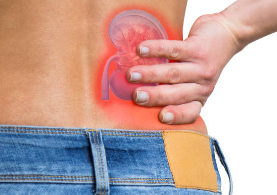
23 Possible Signs Your Kidneys May Need Medical Attention
Your kidneys are among the hardest-working organs in your body. Every day, they filter waste products from your blood, remove excess fluids, balance essential minerals, help regulate blood pressure, and produce hormones that support healthy red blood cell production and strong bones.
Because the kidneys can continue functioning even after significant damage has occurred, kidney disease often develops quietly. Many people don’t notice symptoms until the condition has progressed. Recognizing possible warning signs and seeking medical advice early may help identify problems before they become more serious.
Keep in mind that the symptoms below do not necessarily mean you have kidney disease. Many can be caused by other health conditions. However, if these signs are persistent or occur together, it’s important to consult a healthcare professional for an evaluation.
1. Persistent Fatigue
Feeling constantly tired despite getting enough rest may be a sign that your kidneys are not filtering waste efficiently. Waste buildup in the bloodstream and anemia related to kidney disease can contribute to ongoing fatigue, weakness, and reduced energy levels.
2. Swelling in the Feet, Ankles, or Legs
When the kidneys cannot remove excess fluid and sodium effectively, swelling may develop in the lower legs, ankles, feet, or even the hands. Persistent swelling should always be discussed with a healthcare provider.
3. Puffiness Around the Eyes
Noticeable puffiness around the eyes, especially after waking up, may occur when protein leaks into the urine. Although allergies and poor sleep are common causes, recurring puffiness can sometimes indicate kidney damage.
4. Changes in Urination
Changes in your usual urination pattern may include:
- Urinating more often
- Urinating less than normal
- Frequently waking during the night to urinate
- Difficulty passing urine
These symptoms can have many causes, including urinary tract disorders and prostate conditions, but they should not be ignored.
5. Foamy or Bubbly Urine
Persistent foam in the urine may suggest excess protein in the urine, a condition known as proteinuria. While occasional bubbles are usually harmless, consistently foamy urine should be evaluated.
6. Blood in the Urine
Blood in the urine can make it appear pink, red, or brown. Possible causes include kidney disease, kidney stones, urinary tract infections, or other urinary system conditions. This symptom always warrants prompt medical attention.
7. Dark or Unusually Colored Urine
Urine that remains darker than usual despite adequate hydration may signal kidney problems or another underlying medical condition. Persistent discoloration should be checked by a healthcare provider.
8. Pain in the Lower Back or Side
Pain below the ribs or along one side of the back may originate from the kidneys. Kidney infections and kidney stones commonly cause this type of pain, particularly when accompanied by fever or changes in urination.
9. High Blood Pressure
Healthy kidneys help regulate blood pressure. Damaged kidneys may contribute to hypertension, while uncontrolled high blood pressure can further damage the kidneys. Managing blood pressure is an important part of protecting kidney health.
10. Difficulty Concentrating
Waste products that accumulate in the bloodstream may affect brain function, making it harder to focus, remember information, or think clearly.
11. Persistent Itchy Skin
Kidneys help maintain proper mineral balance in the body. When kidney function declines, mineral imbalances may contribute to persistent itching and dry skin that doesn’t improve with regular moisturizers.
12. Frequent Muscle Cramps
Electrolyte imbalances caused by reduced kidney function may increase the likelihood of muscle cramps, particularly in the legs.
13. Ongoing Nausea
As waste products build up in the bloodstream, they may irritate the digestive system and cause persistent nausea.
14. Vomiting
More advanced kidney disease may cause nausea severe enough to lead to repeated vomiting. Frequent vomiting can also increase the risk of dehydration.
15. Loss of Appetite
People with declining kidney function often experience a reduced appetite. Waste buildup may change the way foods taste, making eating less enjoyable.
16. Metallic Taste in the Mouth
A metallic or unpleasant taste in the mouth is another possible symptom of waste accumulation in the bloodstream. This can also reduce interest in eating.
17. Shortness of Breath
Shortness of breath may occur because of fluid buildup in the lungs or anemia associated with kidney disease. Sudden or severe breathing difficulties require immediate medical evaluation.
18. Dry Skin
Dry, rough skin may result from changes in mineral balance and reduced kidney function. When accompanied by itching, it may indicate an underlying kidney problem.
19. Trouble Sleeping
People with kidney disease often report poor sleep quality due to nighttime urination, muscle cramps, restless legs syndrome, or sleep apnea.
20. Unexplained Weight Loss
Unexpected weight loss without changes in diet or exercise may occur because of reduced appetite, nausea, or other complications associated with kidney disease.
21. Persistent Bad Breath
Waste buildup in the bloodstream can sometimes cause bad breath or an ammonia-like odor. Although dental issues are more common, persistent bad breath with other symptoms should be evaluated.
22. Frequent Urinary Tract Infections
Repeated urinary tract infections can increase the risk of kidney infections if they spread upward through the urinary tract. Early treatment is important to help prevent complications.
23. Feeling Cold More Often Than Usual
Kidney disease can contribute to anemia, which reduces oxygen delivery throughout the body. As a result, some people feel unusually cold even in comfortable temperatures.
Who Is More Likely to Develop Kidney Disease?
Several factors increase the risk of kidney disease, including:
- Diabetes
- High blood pressure
- Heart disease
- Obesity
- A family history of kidney disease
- Smoking
- Being older than 60 years
People with one or more of these risk factors may benefit from regular medical checkups and kidney function testing.
When Should You Seek Medical Attention?
You should contact a healthcare provider if you experience:
- Blood in your urine
- Persistent swelling
- Ongoing fatigue
- Lasting changes in urination
- Severe back or side pain
- High blood pressure that is difficult to control
- Persistent nausea or vomiting
Seek emergency medical care if you are unable to urinate, develop sudden shortness of breath, become confused, or experience severe pain.
Tips to Support Kidney Health
While not every kidney condition can be prevented, these healthy habits may help reduce your risk:
- Stay well hydrated.
- Eat a balanced diet rich in fruits, vegetables, and whole grains.
- Limit excess salt and highly processed foods.
- Exercise regularly.
- Maintain a healthy weight.
- Keep blood pressure within a healthy range.
- Manage diabetes carefully if you have it.
- Avoid smoking.
- Take medications only as directed and avoid unnecessary use of pain relievers such as NSAIDs unless recommended by a healthcare provider.
- Schedule routine health checkups, particularly if you’re at higher risk.
Frequently Asked Questions
Can kidney disease occur without symptoms?
Yes. Early kidney disease often develops without noticeable symptoms. That’s why regular screening is recommended for people with risk factors such as diabetes or high blood pressure.
Is foamy urine always a sign of kidney disease?
No. Foamy urine can sometimes occur temporarily due to a fast urine stream or concentrated urine. However, persistent foamy urine should be evaluated because it may indicate excess protein in the urine.
Can dehydration affect the kidneys?
Yes. Severe or prolonged dehydration can reduce kidney function and may contribute to acute kidney injury. Drinking enough fluids is an important part of maintaining kidney health.
Are swollen ankles always caused by kidney disease?
No. Swollen ankles may also result from heart disease, liver disease, vein disorders, certain medications, or prolonged standing. A medical evaluation can help determine the cause.
Conclusion
Your kidneys perform essential functions that help keep your body healthy every day. Because kidney disease often develops gradually, recognizing potential warning signs is important. Symptoms such as persistent fatigue, swelling, changes in urination, blood in the urine, or ongoing nausea should not be ignored.
These symptoms do not automatically mean you have kidney disease, but they do deserve medical attention if they persist, worsen, or occur alongside other concerning signs. Early evaluation and treatment can improve outcomes and help protect your kidney health for years to come.
