
How Bay Leaves Can Be Used in a Skincare Routine: Natural Skin Care Tips
Natural skincare has become increasingly popular as more people look for simple, plant-based ingredients that may support healthy-looking skin. One traditional ingredient that has gained attention is the bay leaf. Commonly used as a culinary herb, bay leaves have also been valued in traditional wellness practices for their aromatic properties and potential skin benefits.
Bay leaves contain natural plant compounds, including antioxidants and essential oils, that have made them a topic of interest in skincare. While they are not a replacement for dermatologist-recommended treatments, they may be used as part of a gentle skincare routine when used properly.
In this article, we’ll explore how bay leaves are traditionally used for skin care, their potential benefits, simple ways to include them in a routine, and important safety considerations.
What Are Bay Leaves?
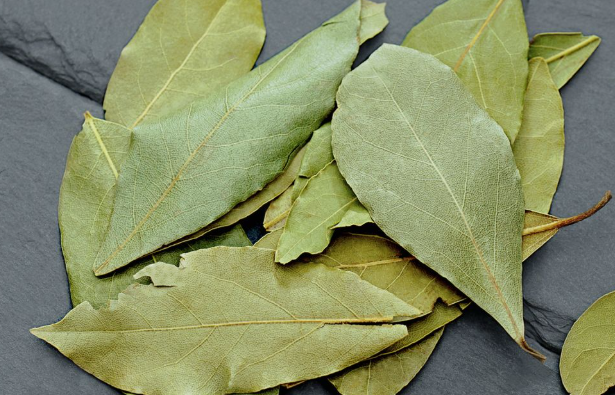
Bay leaves are aromatic leaves from the bay laurel plant. They are commonly added to soups, stews, sauces, and other dishes to enhance flavor.
Beyond cooking, bay leaves have been used in traditional practices because they contain plant compounds such as:
- Antioxidants
- Essential oils
- Flavonoids
- Phenolic compounds
These components may contribute to the herb’s traditional uses, although more research is needed to understand their direct effects on human skin.
Potential Benefits of Bay Leaves for Skin
1. May Support Skin’s Natural Defense Against Environmental Stress
Bay leaves contain antioxidants that may help protect cells from oxidative stress caused by free radicals.
Free radicals can develop due to factors such as:
- Sun exposure
- Pollution
- Normal metabolic processes
Antioxidants in skincare are often valued because they help support the skin’s natural protective mechanisms.
2. May Help Maintain a Clean-Looking Skin Appearance
Bay leaves contain natural aromatic compounds that have traditionally been associated with cleansing properties.
Some people use bay leaf preparations as part of homemade skincare routines to help maintain fresh-looking skin. However, bay leaves should not be considered a treatment for acne, infections, or other skin conditions.
3. May Provide a Soothing Experience
The natural aroma of bay leaves makes them popular in relaxation and self-care routines.
A warm bay leaf infusion or steam treatment may provide a calming skincare ritual, especially when combined with other gentle habits such as moisturizing and proper cleansing.
4. May Support Healthy-Looking Skin Tone
Because bay leaves contain plant antioxidants, they are sometimes included in traditional skincare recipes aimed at promoting a brighter and more refreshed appearance.
However, uneven skin tone, dark spots, and pigmentation often have multiple causes and may require targeted skincare products or professional advice.
Ways to Use Bay Leaves in a Skincare Routine
If you want to try bay leaves as part of a natural skincare routine, consider gentle approaches.
1. Bay Leaf Facial Steam
A facial steam using bay leaves is one traditional method people use for a relaxing skincare experience.
How to Make It:
- Add a few clean bay leaves to a bowl of hot water.
- Allow them to steep for several minutes.
- Place your face at a comfortable distance from the steam.
- Relax for a short period.
Important Tips:
- Avoid very hot steam that could irritate or burn the skin.
- Do not use steam if you have very sensitive skin or conditions that worsen with heat.
- Steam does not replace cleansing or medical skincare treatments.
2. Bay Leaf Water as a Skin Rinse
Some people prepare bay leaf water and use it as a gentle rinse.
Basic Preparation:
- Boil a few bay leaves in water.
- Allow the liquid to cool completely.
- Strain out the leaves.
- Apply the water gently to the skin if it feels comfortable.
Always perform a patch test first, especially if you have sensitive skin.
3. Bay Leaf in Homemade Face Masks
Bay leaf powder is sometimes added to homemade masks along with ingredients such as:
- Plain yogurt
- Honey
- Oatmeal
However, homemade skincare mixtures can irritate the skin if ingredients are too harsh or if they contain allergens.
Avoid using rough powders as physical scrubs, since excessive scrubbing can damage the skin barrier.
4. Bay Leaf Essential Oil Products
Bay leaf essential oil is a concentrated form of the plant’s aromatic compounds.
It should always be diluted before topical use. Applying undiluted essential oils directly to the skin may cause irritation, redness, or allergic reactions.
Safety Considerations Before Using Bay Leaves on Skin
Natural ingredients are not automatically safe for everyone. Before adding bay leaves to your skincare routine, keep these points in mind:
Perform a Patch Test
Apply a small amount of the preparation to a small area of skin and wait to see if irritation develops.
Stop using it if you experience:
- Burning
- Redness
- Swelling
- Itching
- Rash
Avoid Applying to Broken Skin
Do not apply homemade herbal preparations to cuts, wounds, or irritated skin.
Be Careful With Sensitive Skin
People with conditions such as eczema, rosacea, or very reactive skin may be more likely to experience irritation from herbal products.
Avoid Overusing Natural Remedies
Using too many DIY treatments can disrupt the skin barrier. A simple routine with gentle cleansing, moisturizing, and sun protection is often more beneficial.
Other Natural Ingredients That Support Skin Health
While bay leaves may be an interesting addition to a self-care routine, other ingredients have stronger evidence for supporting healthy skin.
Common skincare-friendly ingredients include:
Aloe Vera
Often used for its soothing properties and hydration support.
Oatmeal
Known for its gentle feel and ability to support dry or sensitive skin.
Green Tea
Contains antioxidants that have been studied for their potential skin benefits.
Honey
Traditionally used in skincare because of its moisturizing properties.
Building a Healthy Skincare Routine
A healthy skincare routine does not need to be complicated. Basic steps include:
Cleanse Gently
Remove dirt, oil, and sunscreen without using harsh products that strip natural moisture.
Moisturize Regularly
A good moisturizer helps support the skin barrier and maintain hydration.
Protect Your Skin From the Sun
Daily sun protection is one of the most important steps for maintaining healthy-looking skin and reducing sun-related skin damage.
Maintain Healthy Lifestyle Habits
Skin health is also influenced by:
- Drinking enough water
- Eating a balanced diet
- Getting quality sleep
- Managing stress
- Avoiding smoking
Frequently Asked Questions
Can bay leaves remove acne?
Bay leaves are not a proven acne treatment. While they contain plant compounds that may have antimicrobial or antioxidant properties, acne often requires proven treatments based on the type and severity of the condition.
Is bay leaf water safe for the face?
Some people may tolerate diluted bay leaf water, but it can cause irritation in others. Always test a small area first before applying it to your face.
Can bay leaves reduce wrinkles?
There is not enough scientific evidence to confirm that bay leaves reduce wrinkles. Healthy aging skin is better supported by sun protection, moisturizing, and evidence-based skincare ingredients.
How often can I use bay leaf skincare treatments?
If your skin tolerates it, occasional use may be reasonable. Avoid frequent application if you notice dryness, irritation, or sensitivity.
Final Thoughts
Bay leaves have a long history of use in cooking and traditional wellness practices. Their antioxidant-rich plant compounds make them an interesting natural ingredient for people who enjoy exploring herbal skincare options.
However, bay leaves should be viewed as a complementary self-care ingredient rather than a guaranteed solution for skin problems. A consistent skincare routine, sun protection, a balanced diet, and professional advice when needed remain the most reliable ways to support healthy skin.
Before trying any new natural skincare remedy, consider your skin type, perform a patch test, and stop using it if irritation occurs.
