
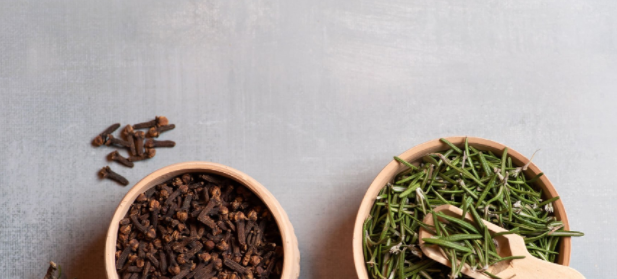
Rosemary and Cloves: Exploring Their Traditional Use for Joint Comfort
Joint discomfort is a common concern that can affect people of all ages, especially as the body changes over time. Stiffness, occasional aches, and reduced flexibility may result from many factors, including aging, physical activity, injuries, inflammation, and certain health conditions.
For centuries, natural ingredients such as rosemary and cloves have been used in traditional wellness practices. These herbs contain plant compounds that have attracted scientific interest because of their antioxidant and anti-inflammatory properties. While they are not proven cures for joint conditions, understanding their traditional uses and potential benefits can help you make informed choices as part of a healthy lifestyle.
The Traditional Use of Rosemary for Joint Comfort
Rosemary is an aromatic herb commonly used in cooking and traditional medicine. It has a long history of use in various cultures for supporting circulation, relieving muscle discomfort, and promoting general wellness.
The plant contains several naturally occurring compounds, including rosmarinic acid, carnosic acid, and other antioxidants. These compounds have been studied for their potential ability to help manage oxidative stress and inflammatory processes in the body.
Rosemary and Its Antioxidant Properties
Oxidative stress occurs when there is an imbalance between free radicals and the body’s ability to neutralize them. Over time, oxidative stress may contribute to inflammation and tissue damage.
The antioxidants found in rosemary may help protect cells from oxidative stress, which is one reason the herb continues to be researched for its possible role in supporting overall health.
Rosemary and Inflammation
Inflammation is a natural process that helps the body respond to injury or infection. However, ongoing inflammation may contribute to discomfort in certain conditions.
Some laboratory studies suggest that rosemary compounds may influence inflammatory pathways. While these findings are promising, more human research is needed to understand how much benefit rosemary may provide for joint health.
Ways Rosemary Is Traditionally Used
Rosemary may be used in several ways:
- Added to meals as a culinary herb
- Prepared as herbal tea
- Included in essential oil blends for aromatherapy or massage when properly diluted
- Used in traditional topical preparations
It is important to remember that essential oils are highly concentrated and should not usually be applied directly to the skin without proper dilution.
The Traditional Use of Cloves for Joint Comfort
Cloves are aromatic flower buds commonly used as a spice. They have been valued in traditional medicine systems for their warming properties and potential soothing effects.
The primary active compound in cloves is eugenol, a natural compound known for its antioxidant and antimicrobial properties.
Cloves and Antioxidant Support
Like rosemary, cloves contain compounds that may help protect cells from oxidative stress.
Eugenol has been widely studied in laboratory research for its antioxidant activity, although more research is needed to determine its direct effects on joint comfort in humans.
Cloves and Inflammation
Traditional practices have used cloves for discomfort associated with muscles and joints. Scientific studies suggest that eugenol may influence certain inflammatory processes.
However, using cloves as a natural remedy should be viewed as a supportive approach rather than a replacement for medical care.
Ways Cloves Are Traditionally Used
Cloves can be incorporated into daily life through:
- Cooking and baking
- Herbal teas
- Spice blends
- Traditional preparations
Because cloves are potent, consuming large amounts or using concentrated clove products may not be appropriate for everyone.
How Rosemary and Cloves Are Sometimes Combined
Some traditional wellness practices combine rosemary and cloves because both contain plant compounds with antioxidant properties.
A common reason for combining herbs is the belief that their different natural compounds may work together to support general comfort and well-being.
Some people use these herbs in:
- Herbal infusions
- Homemade spice blends
- Massage oils made with properly diluted essential oils
However, there is limited scientific evidence proving that a rosemary and clove combination specifically improves joint conditions.
What Science Says About Herbal Remedies and Joint Health
Natural herbs can contain beneficial compounds, but it is important to separate traditional use from proven medical treatments.
Research on rosemary, cloves, and similar herbs is ongoing. Some studies show potential effects in laboratory settings, but results from laboratory studies do not always translate into the same effects in people.
For individuals dealing with chronic joint pain, conditions such as arthritis, or reduced mobility, evidence-based treatments may include:
- Physical therapy
- Appropriate exercise
- Weight management
- Medications recommended by a healthcare professional
- Lifestyle changes
Herbs may complement these approaches but should not replace professional medical advice.
Other Natural Ways to Support Joint Health
In addition to a nutritious diet, several lifestyle habits may help maintain healthy joints.
Stay Physically Active
Regular movement helps keep muscles strong and joints flexible. Low-impact activities such as:
- Walking
- Swimming
- Cycling
- Yoga
- Stretching exercises
can support mobility while placing less stress on joints.
Maintain a Healthy Weight
Extra body weight can increase pressure on weight-bearing joints such as the knees and hips. Maintaining a healthy weight may help reduce unnecessary stress on these areas.
Eat an Anti-Inflammatory Diet
A balanced eating pattern that includes:
- Colorful vegetables
- Fruits
- Whole grains
- Nuts and seeds
- Fish rich in omega-3 fatty acids
- Healthy oils
may support overall health.
Get Enough Sleep
Quality sleep allows the body to recover and supports normal immune function and energy levels.
Safety Considerations When Using Rosemary and Cloves
Although these herbs are commonly used as foods and spices, concentrated forms may not be suitable for everyone.
Consider the following precautions:
- Talk to a healthcare provider before using herbal supplements, especially if you take medications.
- Be cautious with concentrated essential oils.
- Avoid excessive amounts of herbal products.
- Pregnant or breastfeeding individuals should seek medical advice before using medicinal amounts of herbs.
- People with bleeding disorders or those taking blood-thinning medications should ask a healthcare professional before using large amounts of cloves.
Frequently Asked Questions
Can rosemary and cloves cure arthritis?
No. Rosemary and cloves cannot cure arthritis or reverse joint damage. They may contain compounds that support general health, but they should not replace medical treatment.
Do rosemary and cloves reduce joint pain?
Some people use these herbs traditionally for comfort, and their compounds have shown anti-inflammatory activity in research settings. However, stronger human studies are needed to confirm their effectiveness for joint pain.
Can I apply rosemary and clove oil directly to painful joints?
Essential oils are concentrated and may irritate the skin if used undiluted. Always follow safety guidelines and consider consulting a healthcare professional before topical use.
Are herbal remedies safe for everyone?
No. Natural products can interact with medications or affect certain health conditions. It is best to seek professional advice before using herbs therapeutically.
Final Thoughts
Rosemary and cloves have been valued in traditional wellness practices for generations. Their antioxidant and plant-based compounds have made them subjects of modern research, particularly regarding inflammation and overall health.
While these herbs may be enjoyable additions to a balanced lifestyle, they are not guaranteed treatments for joint problems. Supporting joint comfort usually involves a combination of regular movement, healthy nutrition, maintaining a healthy weight, and appropriate medical care when needed.
If you experience ongoing joint pain, swelling, stiffness, or difficulty with daily activities, consult a healthcare professional to determine the cause and explore suitable treatment options.
