
Beets and Your Health: Potential Benefits and Nutrition Facts
Introduction
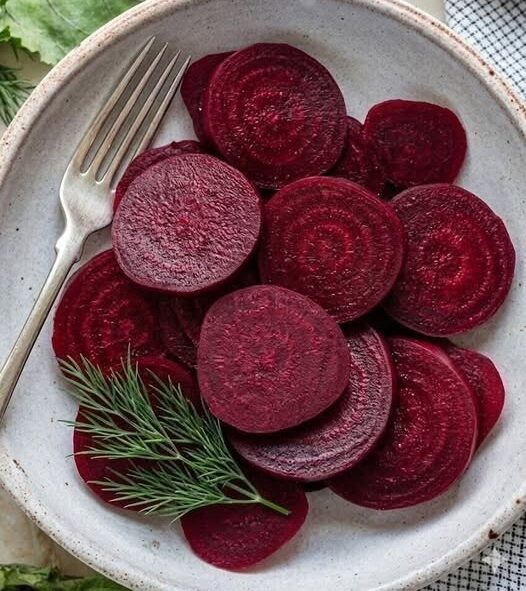
Beets, also known as beetroot, are vibrant root vegetables that have been enjoyed in cuisines around the world for centuries. Their naturally sweet flavor, striking deep-red color, and impressive nutritional profile have made them a popular ingredient in salads, soups, juices, smoothies, and roasted vegetable dishes.
In recent years, beets have gained attention for their potential health benefits. They contain important vitamins, minerals, antioxidants, and naturally occurring plant compounds that may support overall wellness when included as part of a balanced diet. From supporting heart health to contributing to exercise performance, beets offer a variety of nutrients that make them a valuable addition to many eating patterns.
While beets are nutritious, it’s important to understand what current research actually says. No single food can prevent or cure disease, but regularly eating a variety of nutrient-rich vegetables—including beets—may help support long-term health.
This article explores the nutrition facts, potential health benefits, ways to enjoy beets, and important considerations for including them in your diet.
What Are Beets?
Beets are root vegetables belonging to the same plant family as spinach and Swiss chard. Both the root and the leafy greens are edible and provide valuable nutrients.
Common varieties include:
- Red beets
- Golden beets
- White beets
- Chioggia (striped) beets
Although red beets are the most widely available, each variety offers similar nutritional benefits with slight differences in flavor and appearance.
Nutrition Facts
Beets are naturally low in fat and provide several essential nutrients.
A typical serving of cooked beets contains:
- Dietary fiber
- Folate (Vitamin B9)
- Potassium
- Manganese
- Vitamin C
- Iron (small amounts)
- Magnesium (small amounts)
They also contain naturally occurring plant compounds called betalains, which give red beets their distinctive color.
Key Nutrients in Beets
Dietary Fiber
Fiber supports digestive health and contributes to feelings of fullness after meals.
Including fiber-rich foods may help support healthy eating habits and digestive regularity.
Folate
Folate is important for:
- Cell growth
- DNA production
- Red blood cell formation
It is especially important during pregnancy because it supports normal fetal development.
Potassium
Potassium is a mineral involved in:
- Muscle function
- Nerve signaling
- Fluid balance
Adequate potassium intake is an important part of a heart-healthy eating pattern.
Vitamin C
Vitamin C supports:
- Immune function
- Collagen production
- Wound healing
It also acts as an antioxidant that helps protect cells from oxidative stress.
Natural Nitrates in Beets
One of the most studied components of beets is their naturally occurring dietary nitrates.
After consumption, these compounds can be converted by the body into nitric oxide, a molecule involved in helping blood vessels relax and widen. This process has led researchers to investigate how beet consumption may influence cardiovascular health and exercise performance.
Research is ongoing, and results may vary depending on the individual and the amount consumed.
Potential Health Benefits of Beets
1. May Support Heart Health
Beets contain nutrients that support overall cardiovascular wellness, including potassium, fiber, and dietary nitrates.
Some studies suggest that dietary nitrates may help support healthy blood vessel function and contribute to maintaining normal blood pressure in some individuals as part of an overall healthy lifestyle.
However, beets should not be viewed as a replacement for prescribed treatments or medical advice.
2. May Help Support Exercise Performance
Because nitric oxide plays a role in blood flow and oxygen delivery, researchers have explored whether beet consumption may support endurance during physical activity.
Some studies suggest that beet juice or beet-rich diets may improve exercise efficiency for certain people, particularly during endurance activities.
The effects vary between individuals, and more research continues in this area.
3. Supports Digestive Health
The fiber found in beets contributes to healthy digestion by:
- Promoting regular bowel movements
- Supporting beneficial gut bacteria
- Helping maintain digestive comfort
A fiber-rich diet is associated with overall digestive wellness.
4. Provides Antioxidants
Beets contain betalains and other antioxidants that help protect cells from oxidative stress.
Antioxidants are found in many colorful fruits and vegetables and contribute to overall health as part of a varied diet.
5. Supports Healthy Nutrition
Beets are naturally:
- Low in fat
- Cholesterol-free
- Rich in vitamins and minerals
They can add flavor, color, and nutrition to meals without contributing excessive calories.
Beet Greens Are Nutritious Too
Many people discard the leafy tops, but beet greens are edible and highly nutritious.
They provide:
- Vitamin A
- Vitamin C
- Vitamin K
- Calcium
- Magnesium
Beet greens can be sautéed, added to soups, or mixed into salads.
Different Ways to Enjoy Beets
One reason beets are so popular is their versatility.
Roasted
Roasting enhances their natural sweetness.
Steamed
Steamed beets retain a tender texture and work well in salads.
Boiled
Boiled beets are easy to prepare and can be sliced or diced.
Pickled
Pickled beets offer a tangy flavor that pairs well with sandwiches and salads.
Choose lower-sodium options when possible.
Smoothies
Cooked or raw beets can be blended into smoothies for added color and nutrients.
Juices
Beet juice is a popular beverage, especially among athletes.
Keep in mind that juice contains less fiber than whole beets.
Simple Beet Salad Recipe
For a quick and nutritious side dish, combine:
- Cooked beets
- Mixed greens
- Crumbled feta cheese
- Walnuts
- Olive oil
- Lemon juice
This colorful salad pairs well with grilled chicken or fish.
Who May Benefit From Eating Beets?
Beets can be a nutritious addition to many diets, including those of:
- Adults
- Older adults
- Athletes
- Vegetarians
- Families seeking more vegetables
They fit well into a balanced eating pattern that includes a variety of fruits, vegetables, whole grains, lean proteins, and healthy fats.
Things to Keep in Mind
Although beets are healthy for most people, there are a few considerations.
Red or Pink Urine
After eating beets, some people notice red or pink urine or stool, a harmless condition known as beeturia.
This is generally not a cause for concern.
Oxalates
Beets contain oxalates, naturally occurring compounds that may contribute to kidney stone formation in susceptible individuals.
People with a history of certain types of kidney stones may wish to discuss dietary choices with their healthcare provider.
Portion Size
As with all foods, moderation is important.
Eating a wide variety of vegetables helps ensure a balanced intake of nutrients.
Tips for Buying and Storing Beets
When shopping, look for beets that are:
- Firm
- Smooth
- Free from major blemishes
- Heavy for their size
If the greens are attached, they should appear fresh and vibrant.
Store the roots in the refrigerator, ideally with the greens removed to help preserve freshness.
Frequently Asked Questions
Are raw beets healthier than cooked beets?
Both raw and cooked beets provide valuable nutrients. Cooking may slightly reduce some heat-sensitive vitamins, but cooked beets remain highly nutritious.
Can beets help lower blood pressure?
Some research suggests that the dietary nitrates in beets may help support healthy blood vessel function and contribute to maintaining normal blood pressure in some people. However, they are not a substitute for medical treatment.
Are canned beets nutritious?
Yes. Canned beets retain many nutrients, although it’s helpful to choose varieties with no added salt or sugar when possible.
Is beet juice better than whole beets?
Whole beets provide more fiber, while beet juice offers a concentrated source of certain nutrients. Both can be part of a balanced diet.
Can everyone eat beets?
Most people can enjoy beets safely. Individuals with specific medical conditions or dietary restrictions should consult a healthcare professional for personalized advice.
Conclusion
Beets are colorful, versatile vegetables packed with nutrients that may support overall health. Their combination of fiber, folate, potassium, vitamin C, antioxidants, and naturally occurring dietary nitrates has made them a popular choice for people looking to include more nutrient-rich foods in their diets.
Current research suggests that beets may support heart health, exercise performance, and digestive wellness as part of a balanced lifestyle, but they should not be considered a cure or treatment for medical conditions. Including beets alongside a variety of fruits, vegetables, whole grains, lean proteins, and healthy fats is one practical way to support long-term health.
Whether roasted, steamed, pickled, blended into smoothies, or enjoyed in a fresh salad, beets are an easy and flavorful addition to many meals. With their impressive nutritional profile and natural sweetness, they are a vegetable worth adding to your weekly menu.
