
How to Choose Quality Meat at the Supermarket: A Complete Guide
Introduction
Buying meat at the supermarket may seem straightforward, but selecting high-quality cuts requires more than simply picking the first package you see. The appearance, texture, color, packaging, and freshness of meat can all provide valuable clues about its quality. Knowing what to look for can help you bring home meat that is flavorful, tender, and safe to prepare.
Whether you’re shopping for beef, chicken, pork, or lamb, understanding a few basic guidelines can make grocery shopping easier and help you get better value for your money. Choosing quality meat is also an important part of food safety, as properly handled and fresh products reduce the risk of spoilage and foodborne illness.
This comprehensive guide explains how to identify quality meat at the supermarket, understand labels, store meat safely, and avoid common shopping mistakes.
Why Choosing Quality Meat Matters
Selecting fresh, high-quality meat offers several benefits, including:
- Better flavor
- Improved texture
- Greater tenderness
- Longer refrigerator shelf life
- Better cooking results
- Reduced food waste
Fresh meat also gives you more confidence that it has been properly handled throughout the supply chain.
Start With a Trusted Store
One of the easiest ways to improve the quality of the meat you buy is to shop at a reputable supermarket or butcher.
Look for stores that:
- Keep meat refrigerated at appropriate temperatures
- Maintain clean display cases
- Rotate stock regularly
- Follow good hygiene practices
- Clearly label products
A clean meat department often reflects careful food handling throughout the store.
Check the Sell-By or Use-By Date
Always examine the package date before making a purchase.
Common labels include:
- Sell-by date
- Use-by date
- Best-before date
Whenever possible, choose products with the longest remaining shelf life if you don’t plan to cook them immediately.
Remember that these dates are guidelines for freshness and proper storage.
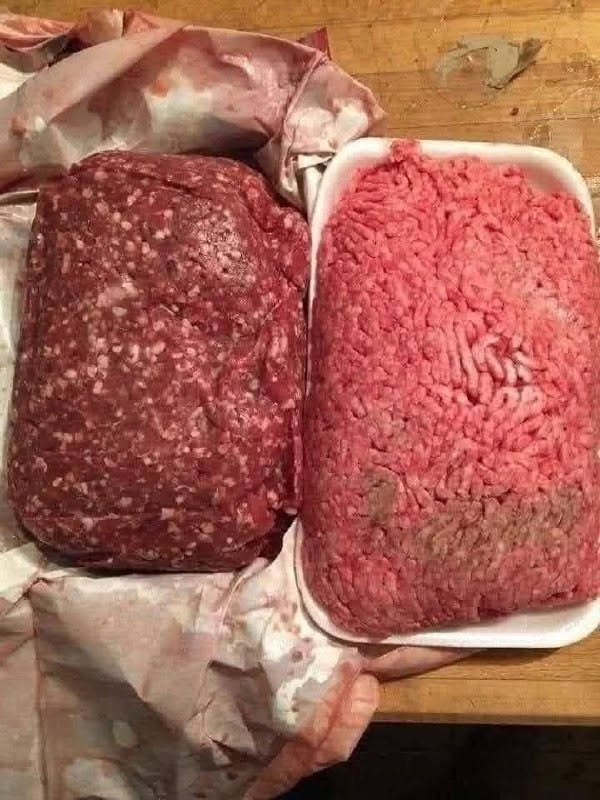
Examine the Color
Color is one of the first indicators shoppers notice, but it should be interpreted correctly.
Beef
Fresh beef is generally bright red or cherry red after exposure to oxygen.
Vacuum-sealed beef may appear darker or purplish until opened, which is often normal.
Avoid beef with:
- Gray patches
- Green discoloration
- Extensive browning throughout
Chicken
Fresh chicken is usually:
- Light pink
- Pale peach
Avoid chicken that appears:
- Gray
- Greenish
- Extremely dull
Pork
Fresh pork is typically:
- Pink
- Light reddish-pink
Very dark or gray pork may indicate reduced freshness.
Lamb
Fresh lamb usually has:
- Bright red color
- Fine grain
- White fat
Look at the Fat
Fat contributes to flavor and tenderness.
Healthy-looking fat should generally appear:
- White
- Cream-colored
- Firm
Yellow or excessively dry fat may indicate older meat, although some breeds naturally have slightly cream-colored fat.
Understand Marbling
Marbling refers to the thin streaks of fat distributed throughout muscle.
Benefits of marbling include:
- Improved tenderness
- Better flavor
- Juicier cooked meat
For cuts such as steaks and roasts, moderate marbling is often desirable.
Too little marbling may produce drier meat, while excessive fat may not suit every preference.
Inspect the Packaging
Carefully examine the package before placing it in your cart.
Avoid packages that have:
- Tears
- Leaks
- Excess liquid
- Broken seals
- Damaged wrapping
Proper packaging helps maintain freshness and reduces contamination risk.
Check for Excess Liquid
A small amount of liquid in meat packaging is generally normal.
However, excessive pooling may suggest:
- Poor handling
- Loss of moisture
- Older product
Choose packages with minimal liquid whenever possible.
Pay Attention to Texture
Although you may not be able to touch packaged meat, visual clues can reveal a lot.
Fresh meat generally appears:
- Firm
- Moist
- Smooth
Avoid meat that looks:
- Slimy
- Sticky
- Dry
- Mushy
Read the Label Carefully
Meat packaging often contains useful information.
Look for details such as:
- Cut of meat
- Weight
- Price
- Safe handling instructions
- Country of origin
- Packaging date
Understanding labels helps you make informed purchasing decisions.
Choose the Right Cut for Your Recipe
Different cuts are suited for different cooking methods.
Best for Grilling
- Ribeye
- Sirloin
- T-bone
- Strip steak
Best for Slow Cooking
- Chuck roast
- Brisket
- Shoulder
- Shank
Best for Roasting
- Pork loin
- Leg of lamb
- Beef tenderloin
Choosing the right cut improves both flavor and texture.
Frozen vs. Fresh Meat
Both fresh and properly frozen meat can be excellent choices.
Fresh Meat
Advantages include:
- Ready to cook
- Easier to inspect visually
Frozen Meat
Benefits include:
- Longer storage life
- Convenient meal planning
- Reduced food waste
Select frozen meat with intact packaging and minimal ice crystals.
Organic and Conventional Meat
Many supermarkets offer both conventional and organic options.
Organic meat generally comes from animals raised according to specific farming standards.
Both types can be safe and nutritious when handled properly.
The best choice depends on your budget, preferences, and availability.
Should You Buy Meat on Sale?
Discounted meat can be a good value if:
- The package is undamaged
- The expiration date is still acceptable
- You plan to cook or freeze it soon
Avoid buying discounted meat that appears discolored or has damaged packaging.
Food Safety Tips While Shopping
To help keep meat safe:
- Choose meat near the end of your shopping trip.
- Place it in a separate plastic bag if available.
- Keep raw meat away from ready-to-eat foods.
- Refrigerate promptly after returning home.
If your trip home is long or the weather is hot, consider using an insulated cooler bag.
Safe Storage at Home
Proper storage helps maintain freshness.
Refrigerator
Store raw meat in the coldest part of the refrigerator.
Use within the recommended time frame provided on the packaging.
Freezer
Wrap meat securely to help prevent freezer burn.
Label packages with the freezing date for easier rotation.
Common Mistakes to Avoid
Choosing Based Only on Price
The least expensive option isn’t always the best value if quality is poor.
Ignoring the Packaging
Damaged packaging may compromise freshness and safety.
Buying Too Much
Purchase only the amount you can safely use or freeze.
Leaving Meat in a Warm Car
Refrigerate or freeze meat as soon as possible after shopping.
Not Checking Dates
Always verify freshness before placing meat in your cart.
Frequently Asked Questions
Is bright red meat always fresher?
Not necessarily. Oxygen exposure can affect color, and some vacuum-sealed meat naturally appears darker until opened.
What does marbling mean?
Marbling refers to small streaks of fat within the muscle, which often contribute to tenderness and flavor.
Is frozen meat lower quality?
Not when it has been properly frozen and stored. Frozen meat can maintain excellent quality for extended periods.
Can I freeze meat on the day I buy it?
Yes. Freezing meat promptly is a good way to preserve freshness if you don’t plan to cook it soon.
How can I tell if packaged meat has spoiled?
Signs may include an unpleasant odor after opening, slimy texture, unusual discoloration, or damaged packaging. When in doubt, discard the product rather than risk foodborne illness.
Final Thoughts
Choosing quality meat at the supermarket becomes much easier once you know what to look for. Paying attention to color, texture, marbling, packaging, freshness dates, and proper labeling can help you select products that deliver better flavor, texture, and overall value.
Equally important is practicing safe food handling from the moment you place meat in your shopping cart until it reaches your refrigerator or freezer. Simple habits such as checking package integrity, keeping meat cold, and storing it correctly can help reduce waste and support food safety.
By shopping thoughtfully and understanding the characteristics of fresh meat, you can make more confident purchasing decisions and enjoy delicious, high-quality meals at home.
